Building the Chassis Jigs

Scrap Jigs

First "professional" jigs

Because this looked like a lot of busy work, my first thought was to have the chassis jigs built by a local machine shop. So I bought the metal and had it sent directly to the machine shop and went over the drawings with them. They kept asking me how big various things were, when the dimensions were clearly right there on the drawing. Then it became clear they didn’t know how to deal with dimensions in meters. They asked me how to convert a dimension from meters to centimeters. “You mean like move the decimal point two places to the right?”, I’m thinking… This was not looking promising. Eventually I went home and tried to come up with a set of orthographic-projection drawings, with hidden lines removed, that they couldn’t possibly misinterpret. I soon gave up. When I went to pick up the first two jigs the next day, the list of errors was long and creative. Mounting footprint on one reversed, vertical tube holders cut too shallow and not in line, overall height incorrect, horizontal alignment out of spec, etc., etc.

Sigh. I called a local aerospace-engineer type that I know and asked him if he knew a good machinist, and he directed me to a local guy who I visited the next day. We met a couple of times and he is indeed capable of handling the project; in fact, I decided it’s really below his capabilities and ended up building the jigs myself, saving him for building actual car parts.

Cut Pieces

Lots of cut pieces waiting for welding, drilling, & milling

I needed a good, strong right angle to hold the pieces in place while welding. The bandsaw table served perfectly.

Welding Jig

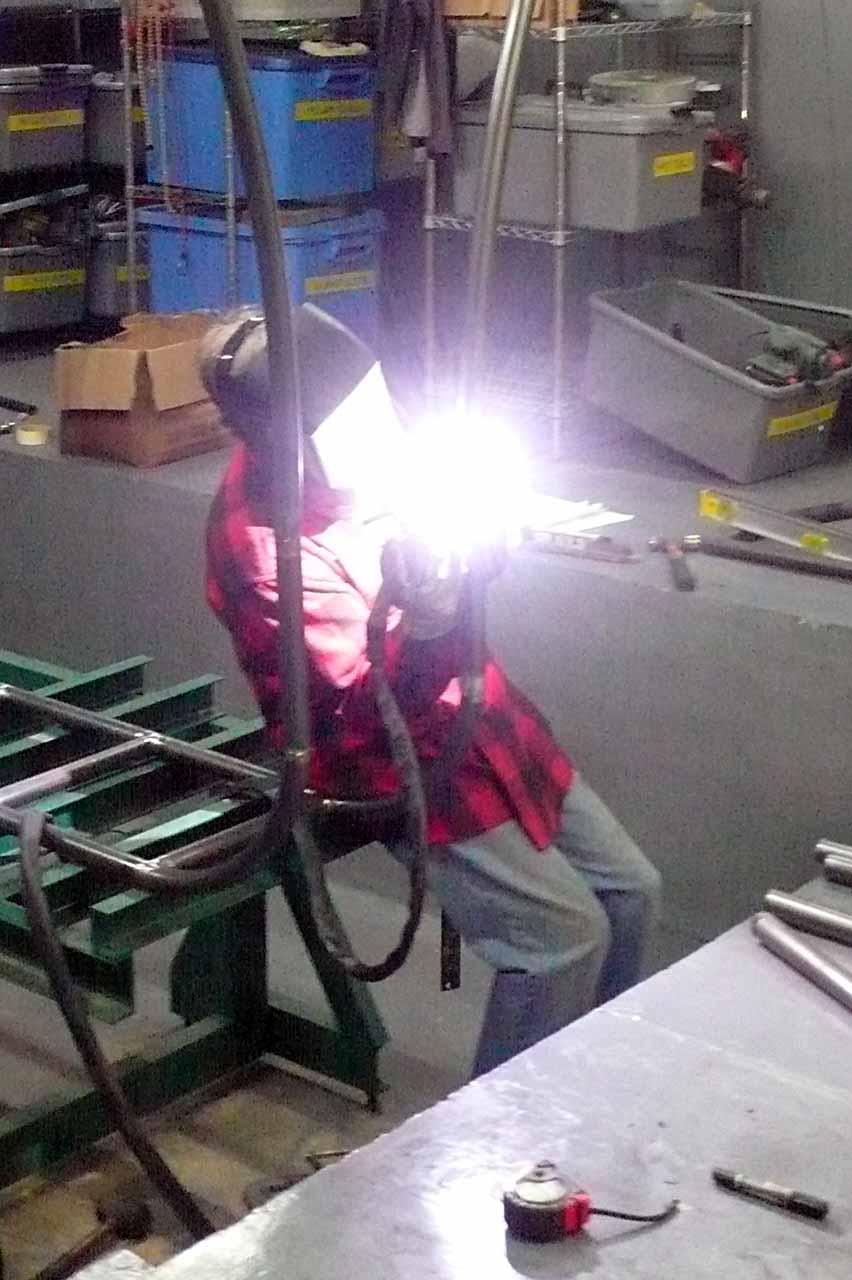
Welding the angles onto the uprights. Chassis table is very useful here.

Drilling Crossmembers

Drilling the chassis table crossmembers on the milling machine.
Trial Fit

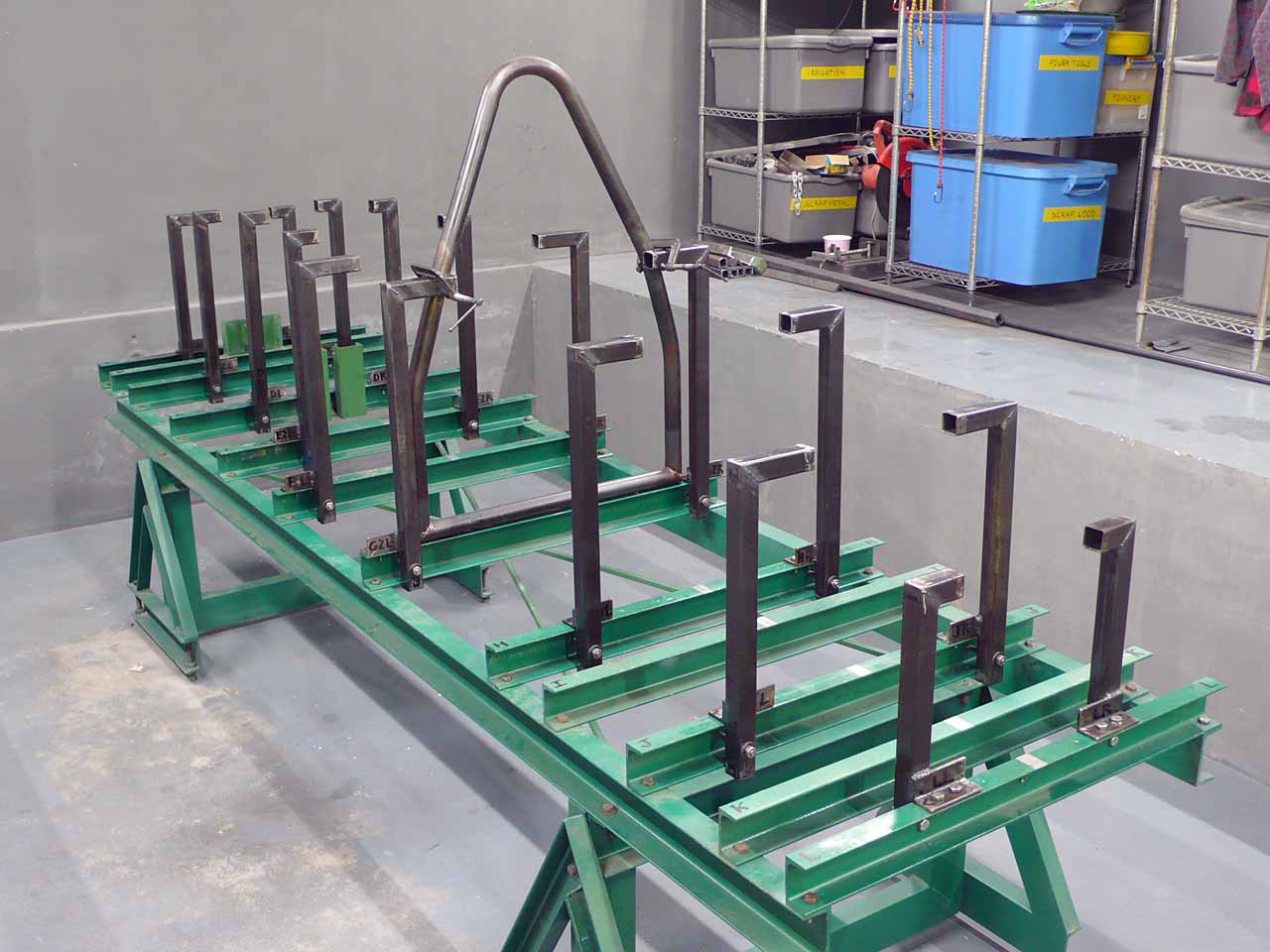
First trial fitting of the chassis jigs onto the chassis table. Top rail guides not yet cut; other tube guides not yet in place.

Welding Verticals

Welding tube guides for vertical tubes. Sample tube keeps things in alignment, along with very careful tack welding.

Jig Set

Almost-finished complete set of chassis jigs
Subframe Pins

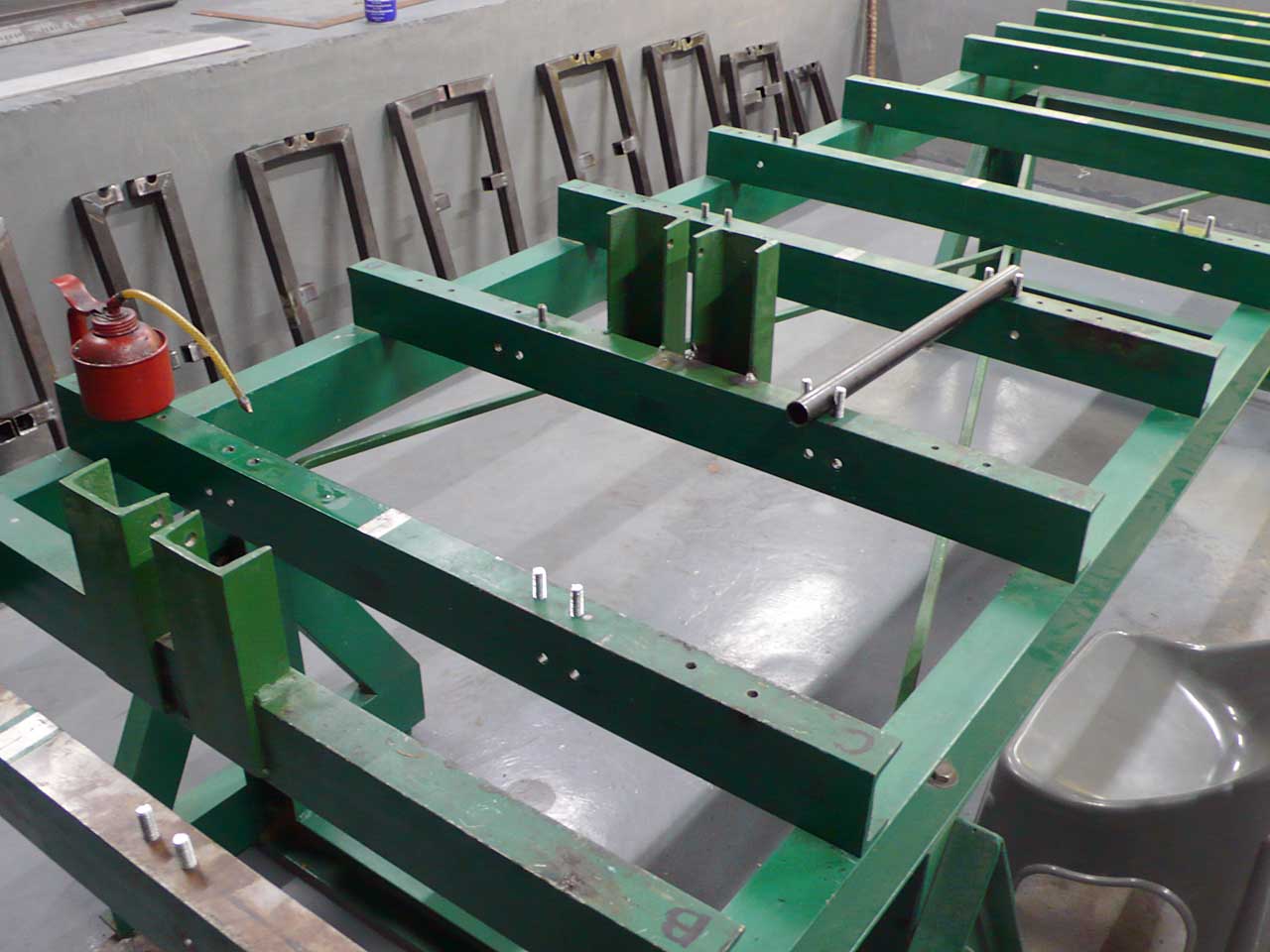
Chassis table crossmembers were drilled for pins to hold front subframe during welding.
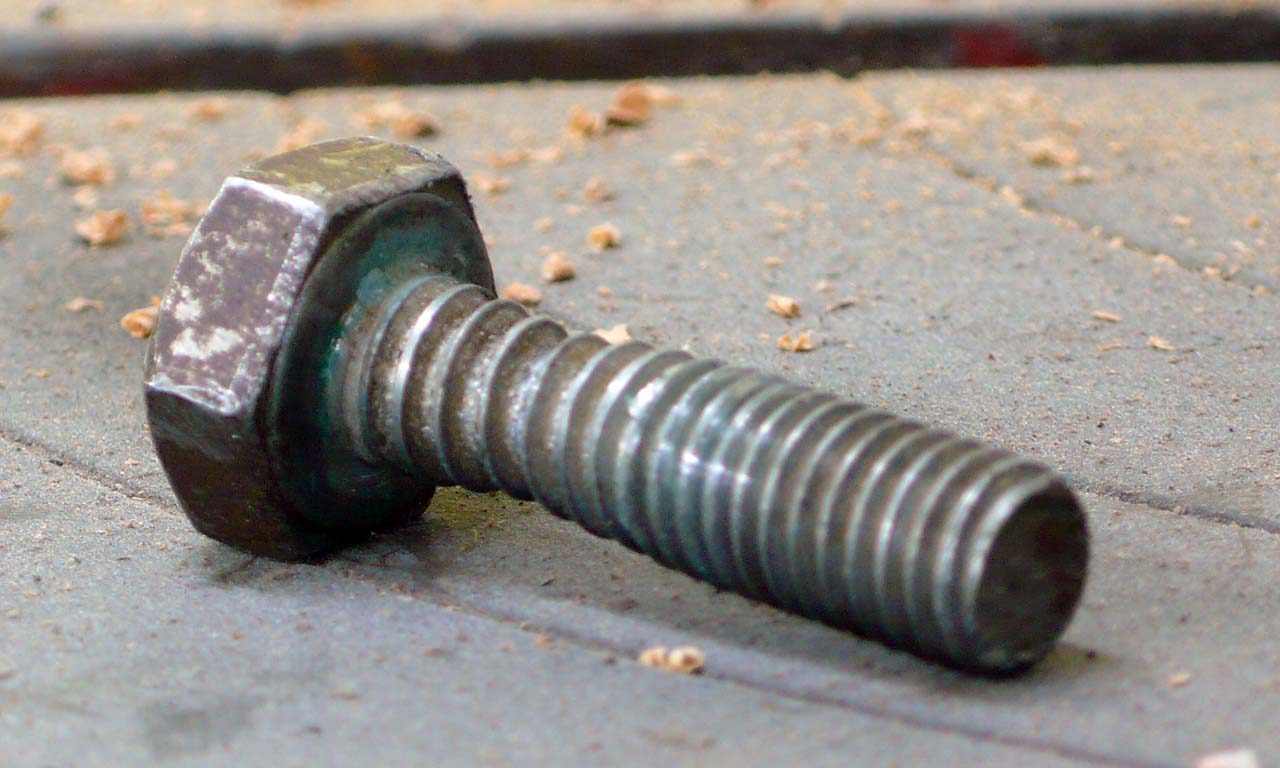
Stretched Bolt

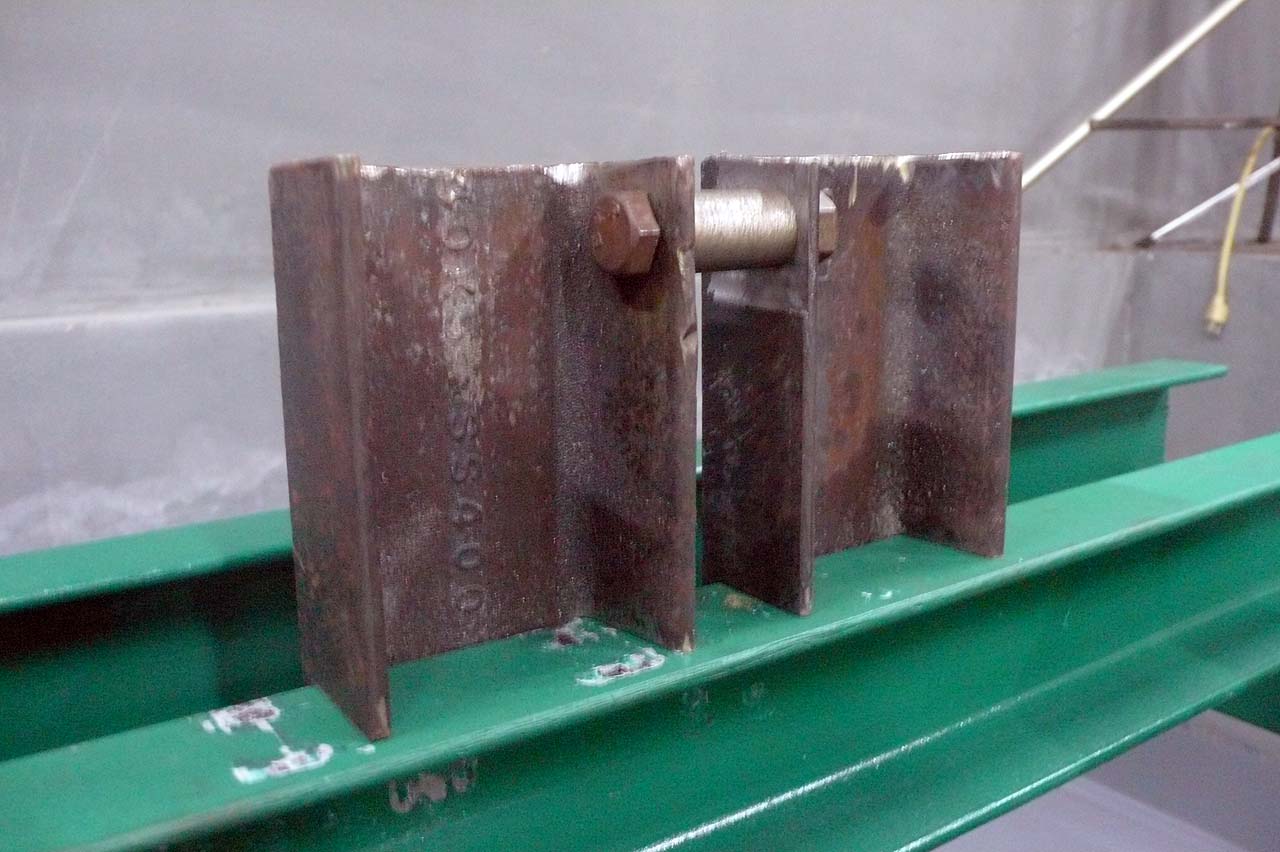
3/8" bolts should be tight. But not this tight.

Designing the Chassis Jigs

Frame on Jig

Chassis in place on chassis table with all jigs in place

I had been trying to keep the chassis jigs in my head, but finally decided they’d probably come out better if I put them on paper first. So I spent the past few days designing them, and it became quite clear why I couldn’t keep them all in my head. I intend to bend the top chassis rails in one continuous curve as that will add a lot of style to the chassis. A lot of race car frames look like industrial equipment, but I have something in mind more like an Ariel Atom exoskeleton car, where the frame is so beautiful you don’t even need a body. Of course the car will have a body for aerodynamic, esthetic, and safety reasons, but I’d like people to see the frame without the body and still say “Wow!”. Now, the top rails are splines, not just arcs, and the only way to really bend one properly is to know where it’s supposed to be in 3-d space along it’s length, and that’s where the chassis jig comes in. When the chassis jigs are all in place, it will give me target locations all along the length of the frame that I can bend the rail to fit.

I eventually ended up with 22 pages of drawings that look like this:

Sample Jig

1 of 22 chassis jig drawings


And two pages of drawings that look like this:

Cross Rails

Sample chassis jig cross rail drawing

Finished the Swing Set

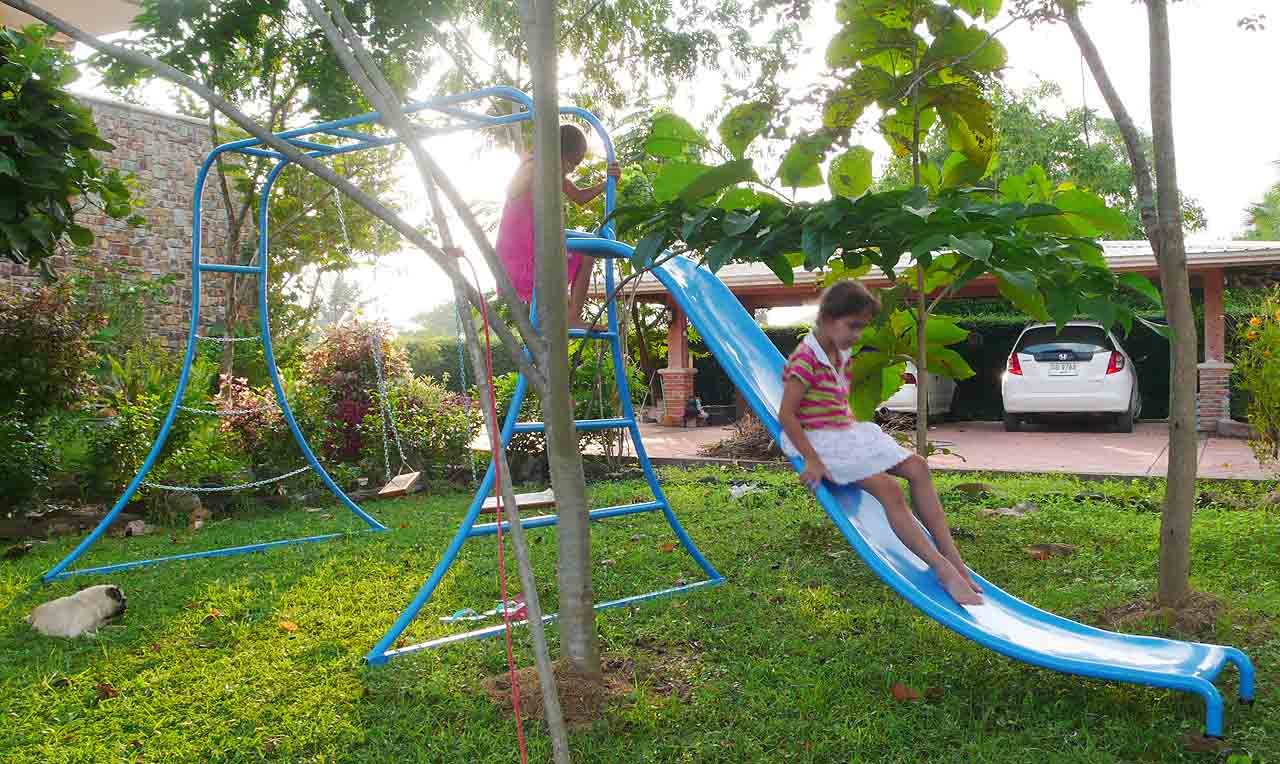
Finished Swing Set

Slide works and everything!

Chain ladder

Chain ladder up one side of swing set, just for variety

Chain attachment

Chain ladder is attached by welding on a piece of bent 1/4" rebar, flattened on the ends by pounding against an anvil.

Swing seat

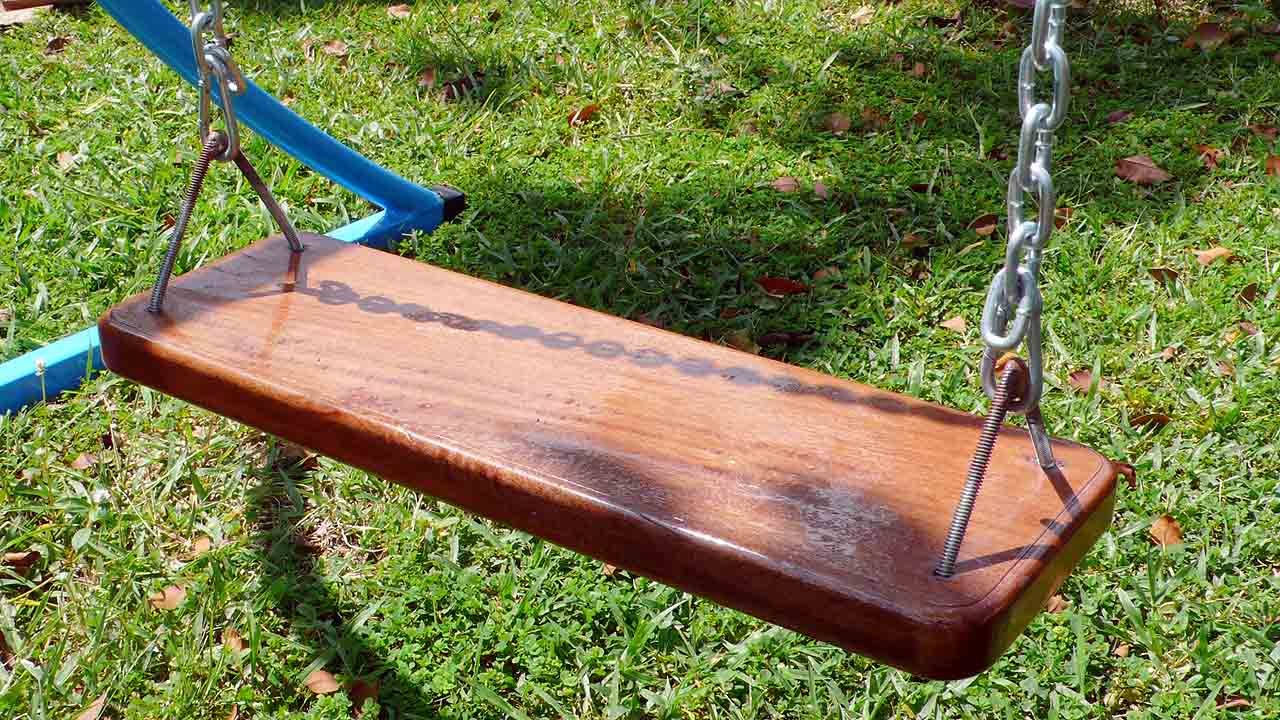
Swing seats were made from 1 1/2" hardwood left over from building the house stairs, a 1" radius cut on the outside corners, and rounded off top and bottom with a 1/8" roundoff router bit

Seat Attachment

Chains are attached to seats with 1/4" threaded rod, bent to shape and welded at the top as it was too brittle to make the sharp bend. Carabiners were purchased at a local hardware store.

Seat Bottom

Nuts were welded in place to hold wooden seats on the stirrups. Can't afford a failure in use here.

Swing Chain Attachment

Swing chains were attached same as the chain ladder

Slide Attachment

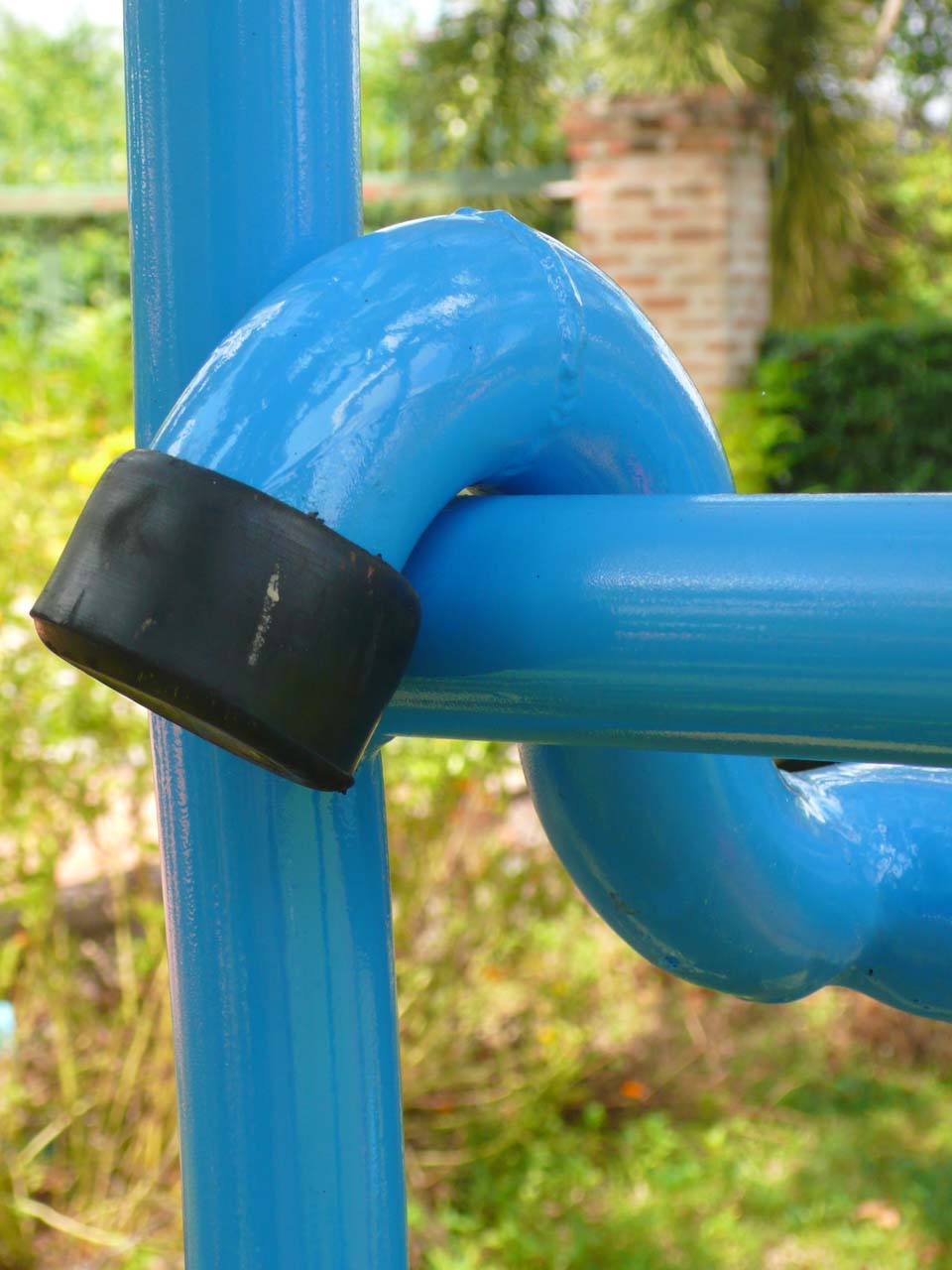
Slide slips over a crossbar of the swing frame. Ends are capped with rubber feet available off the shelf.

Bottom Corner

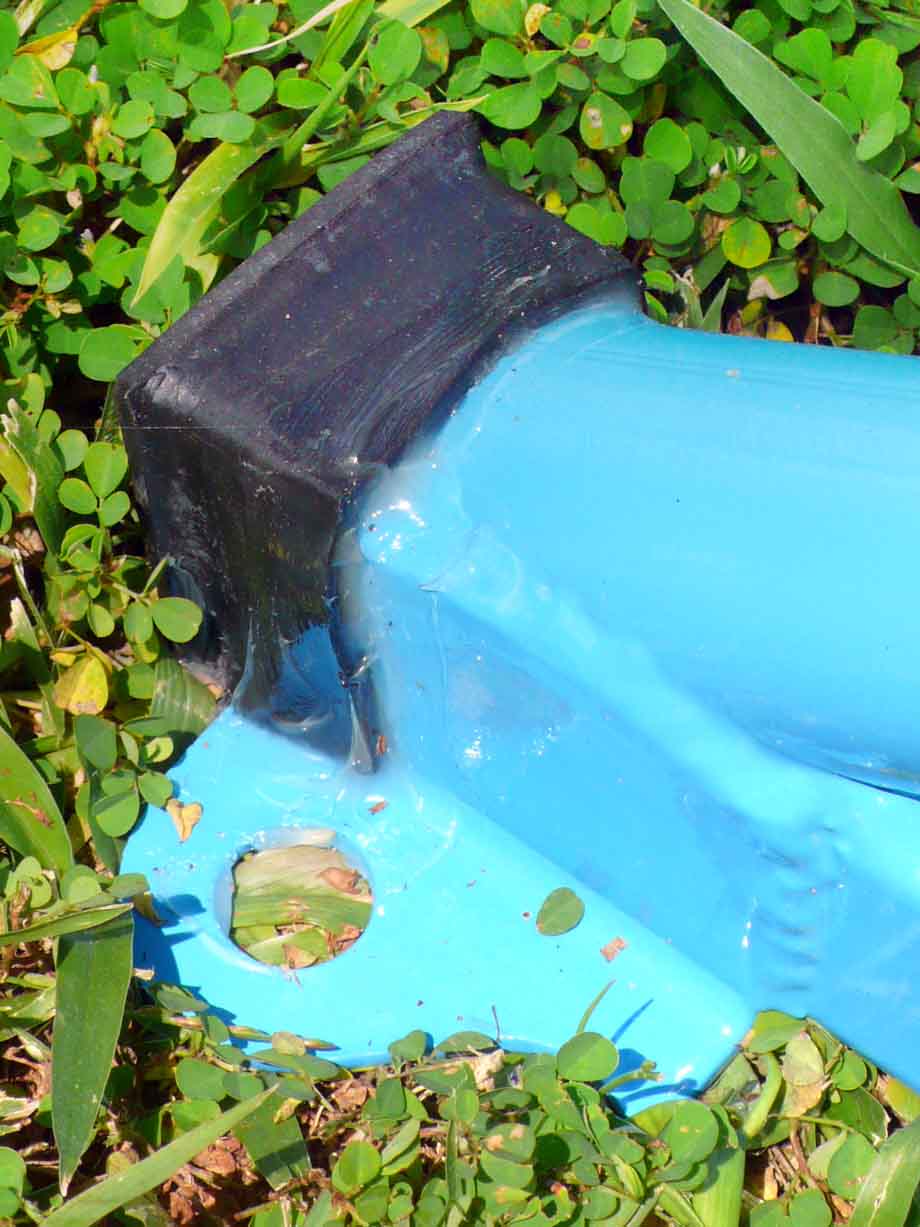
Bottom crossmembers used square instead of round tubing to spread the load better. Ends were capped with rubber feet available off the shelf. Also welded on tiedown lugs from the local hardware store.

Slide Surface

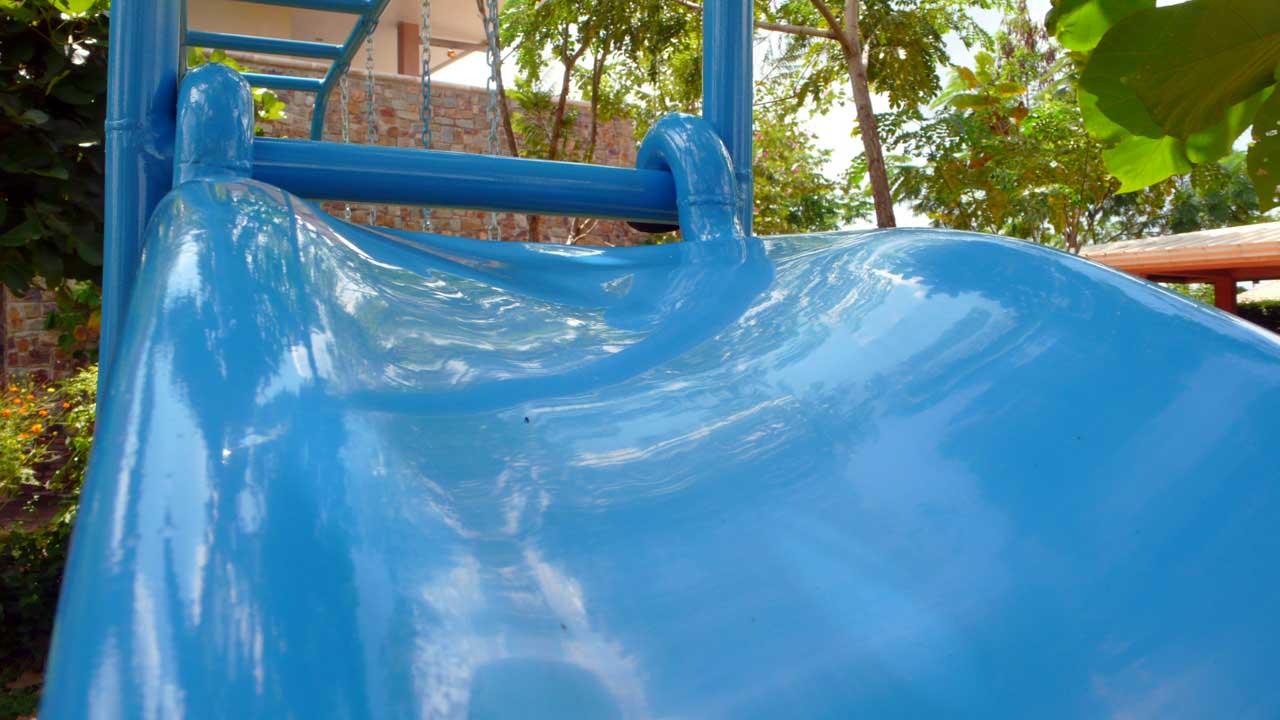
To make it slippery I sanded the slide with 1000, 1200, and 1500 grit wet-or-dry sandpaper, then polished with two coats of fiberglass mold release wax. It's really slippery.

Free Download: Swing Set Drawing

Swing Set Drawings

Free Download! Children's playground swing and slide set

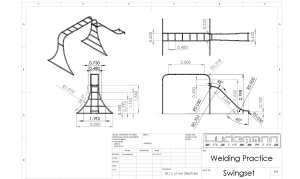
Just for grins, here are the plans for the children’s swing set and slide in case anyone wants to build one him/herself. Note that I specified the tubing thickness at 1.6 mm, where I built mine with 1.2mm tubing. I felt that it could benefit from being stiffened up a little more. Also not shown on the drawing is the attachment points for the swings and a set of chains up one side of the main structure that form a ladder. I’ll post a photo of the finished project later for reference.

Test Project: Children’s Slide

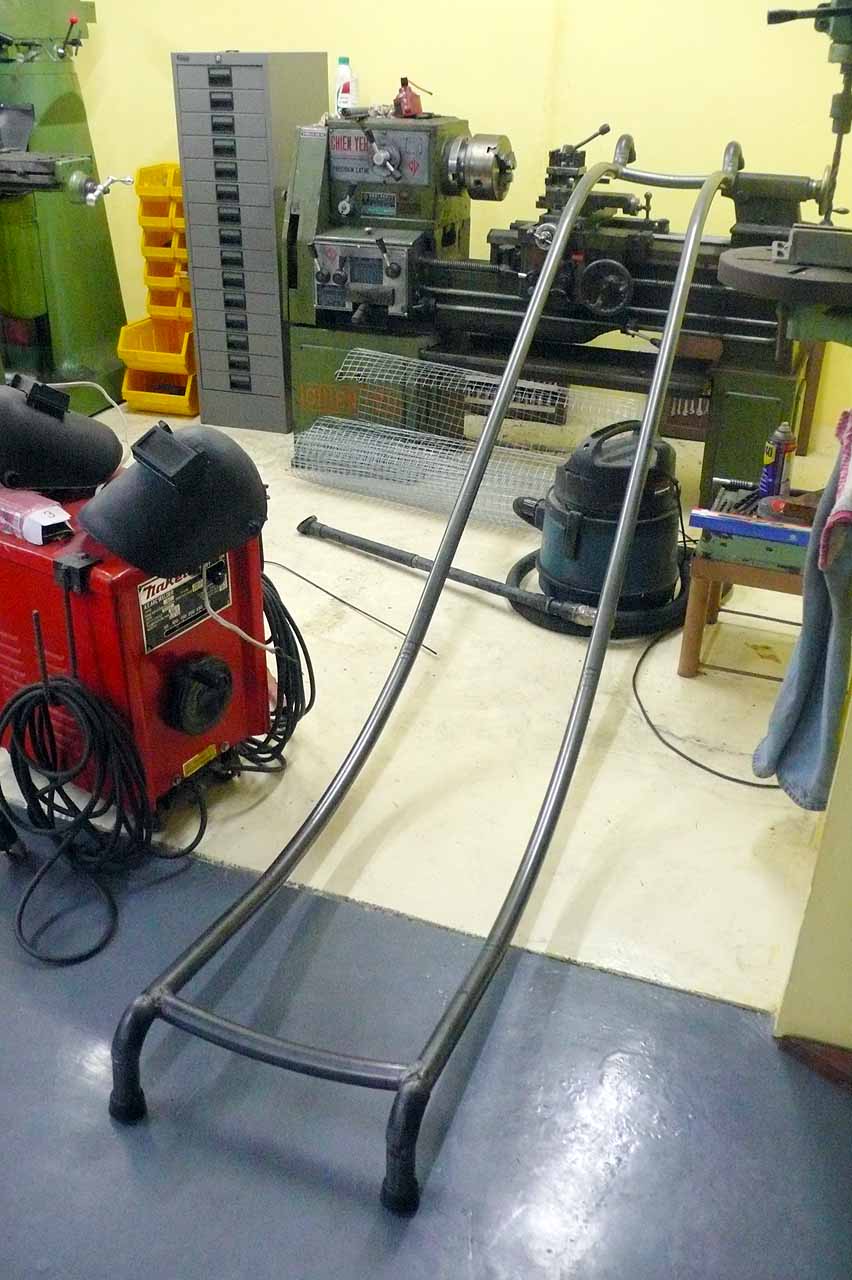
Frame for slide

Slide frame welded from bent tubing

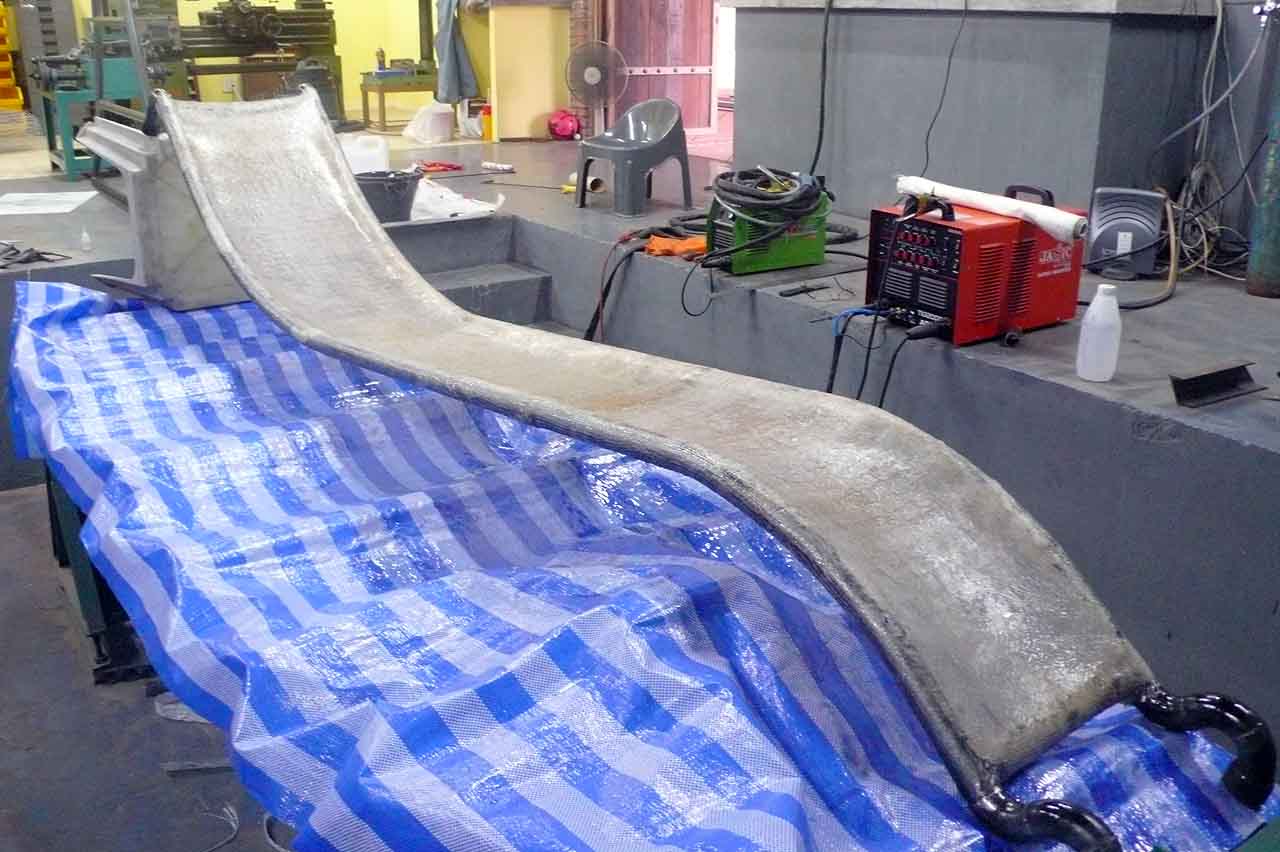
Wire Support

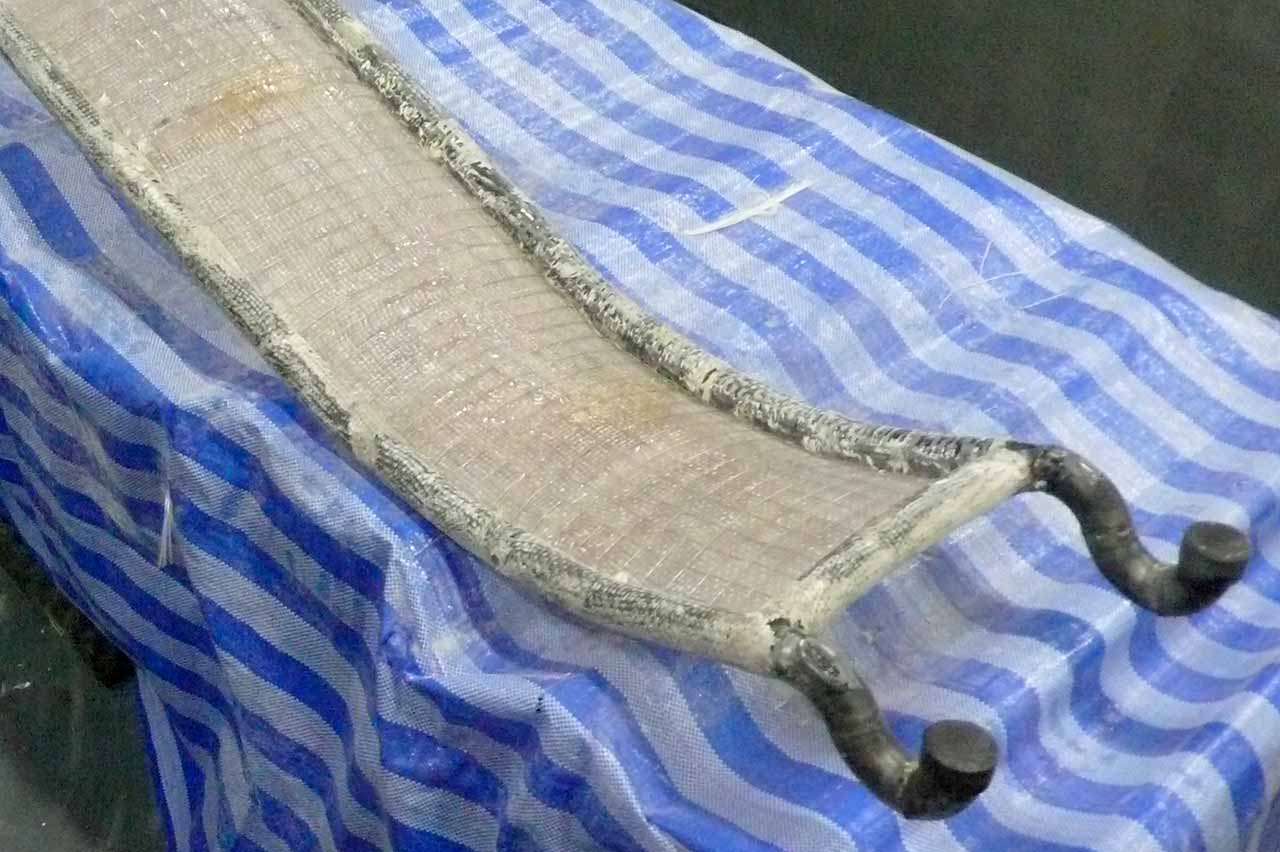
Chicken wire was welded to the frame and bent into position to hold the fiberglass in place while the resin cures.

Fiberglass Cloth

Fiberglass cloth is cut to size and laid in place.

Resin Applied

Polyester resin is applied

Slide Bottom

Resin cured too fast due to a) no data sheet b) language barrier and c) confused salespeople

Bottom Fiberglassed

After attempting to smooth out the bottom with body putty, I ended up fiberglassing it in for appearance and safety

Slide Puttied

The top of the slide after several layers of 2-part body putty and red glazing putty, sanded and ready for primer.

Primer Applied

Primer applied with spray gun

Bottom Painted

2-part epoxy top coat sprayed on bottom of slide

Top Painted

2-part epoxy sprayed on top. I love this paint (Jotun Penguard Enamel).

Top Close-up

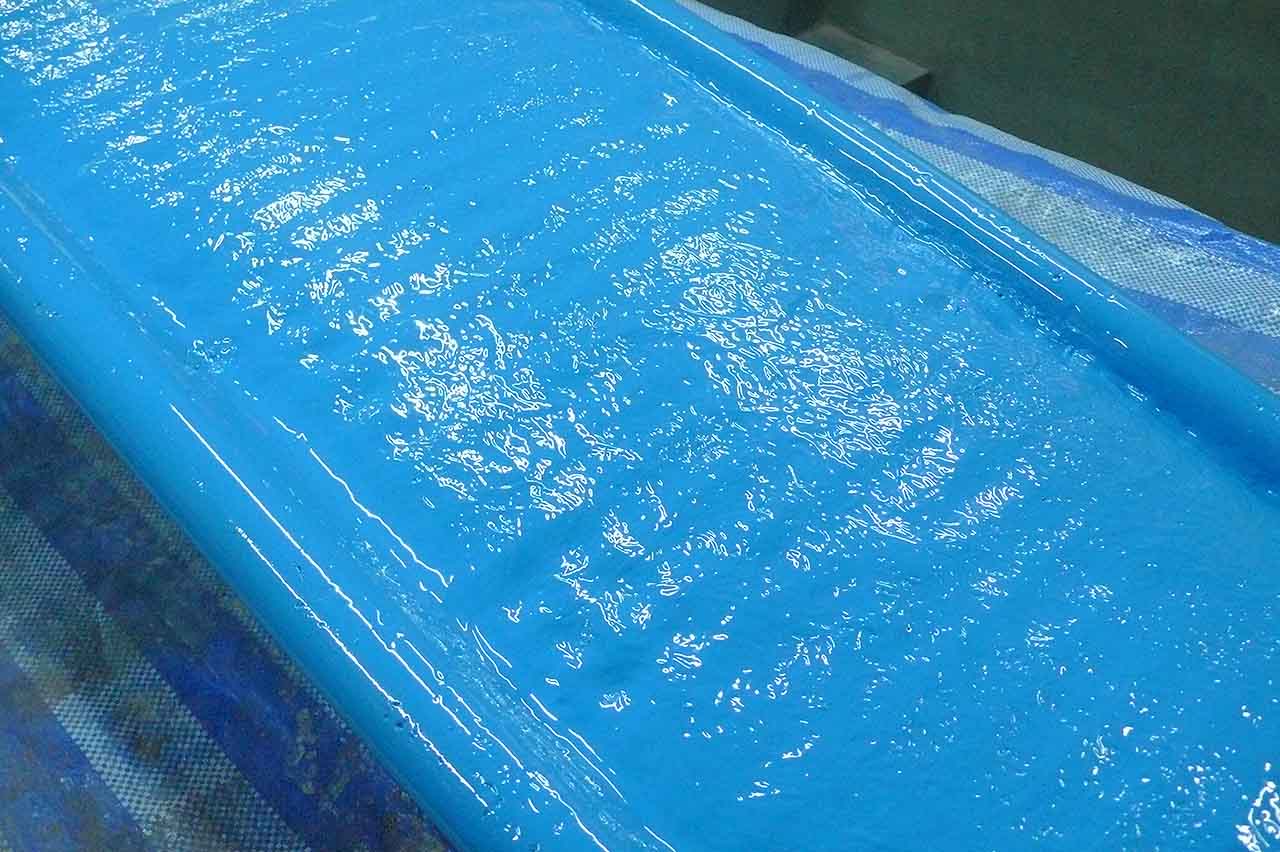
Close-up of finished topcoat, Jotun Penguard Enamel, sapphire blue, 2-part epoxy

World’s First TIG-Welded, Finite-Element Analyzed Swing Set?

Although I originally learned to weld over 30 years ago in college when my team was building a Mini-Baja race car, I never did anything with it as one of the other team members picked it up faster than me and ended up doing all the welding. Welding has changed a great deal since then, so it’s time to relearn anyway. To that end I designed a swing set for my daughters, which I’m building with the same techniques I’ll use to build the Formula 1000 car, including the TIG welder, plasma cutter, tubing bender, and chassis jig table.

Swingset Resonant Frequency

Initial build's fundamental resonant frequency

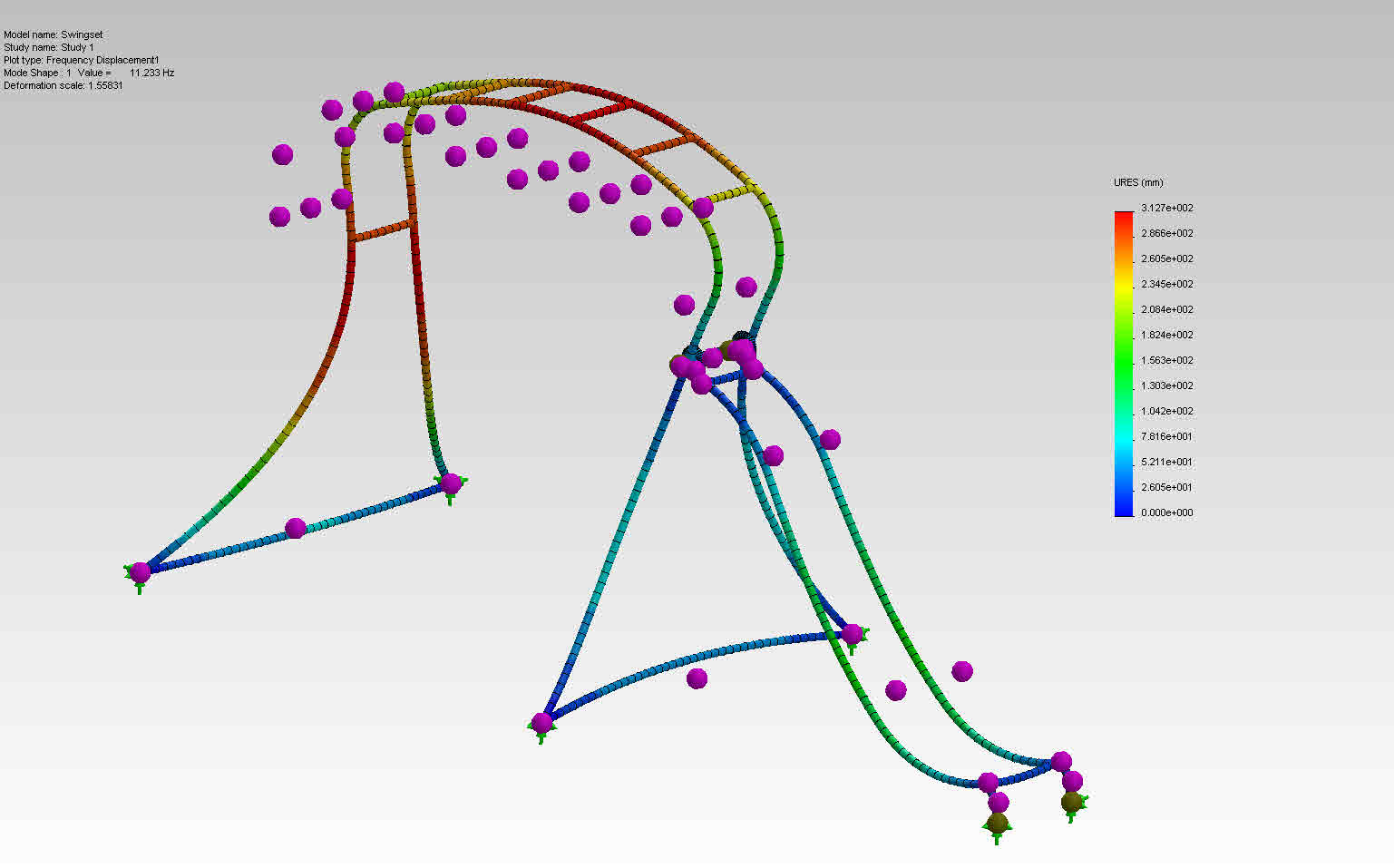
When I got the initial structure built I found it had a large side-to-side resonant frequency that I measured at 2.50 Hertz. It needed to be stiffened up. Rather than take a guess at how to fix it, with the possibility of several iterations, I decided to do what I should have done in the first place and perform a proper finite-element analysis.

I was pleased to find that the initial FEA results matched reality well, giving a predicted first oscillation mode frequency of 2.72 Hertz.

Then it was a simple matter of trying out a few modified designs and finding one that was functional, cheap, easy to build, and looked good. I tried several forms of bracing but settled on simply adding a slide to one side.

Revised design

Addition of a slide increases natural frequency to 11.2 Hertz

A more elaborate version of the slide had been present in my initial design but had been discarded when I found out how slow I am at welding. The new design’s resonant frequency increased to 11.2 Hz, an increase of over 300%. Indeed, where the frame without the slide felt quite wobbly, with the slide it feels very rigid.

Learning to weld has been… interesting. Although I did find the appropriate pedal control for the TIG welder on Ebay in China, it turns out the pedal doesn’t work the same way as it does on an American-made welder. On a Lincoln TIG welder, for example, you use the front-panel controls to set both the minimum and maximum power and then the pedal moves within that range. On my Chinese welder, the current settings on the front panel are disabled by connecting the pedal and the pedal control range is always from zero to 200 Amps. Maybe this works OK for welding structural steel, but it’s not so wonderful for welding Coke cans. Or race car chassis, for that matter.

Welder Settings

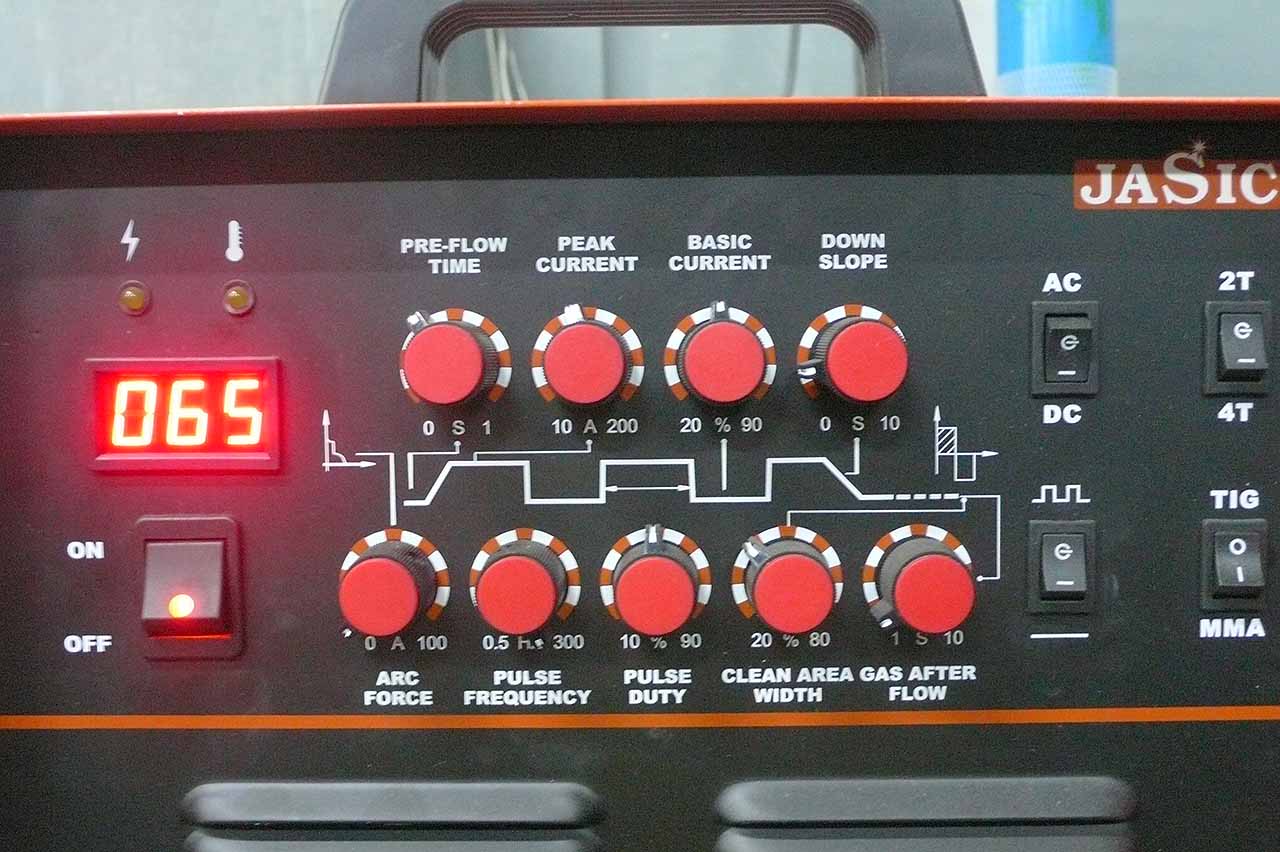
TIG welder settings for 1.2 mm mild steel tubing

So I had to take a step back, disconnect the pedal control, and through trial and error find a way to adapt the Chinese welder to my task. I spent some time poking around the Internet and learned a lot from this a most excellent thread on Race-Dezert.com, authored by one of the Gods of Fabrication. Based on some tips I gleaned from this thread, I switched to the smallest electrode (1 mm) and the smallest filler rod (1.6 mm) that I have. I turned the pulse rate way up to approximately the max of 300 Hertz, although it’s hard to say since there’s no readout, adjusted the pulse duty cycle to 50% and the “basic” current to 50%. At the higher pulse rate the digital readout gives an approximation of the average current instead of continuously changing semi-random numbers within the range like you see at the lower rates. When I nudged this averaged reading up from 60 to 65 Amps, things finally came together.

A weld!

Finally, a proper weld!

I also bought a pair of cheap, strong reading glasses that I can wear under my welding helmet, and once I could see the process close-up and sharp I could make real welds! It turns out that the hot zone isn’t inherently fuzzy, it’s my eyes.

Welding

Apprentice welder at work

Building the Roll Hoop

Roll Hoop on Drawing

Roll Hoop on Drawing

I’d been poking around local tool stores for a while, looking for tubing benders. I’d found and purchased a 3-wheel tubing bender, but so far no mandrel-type benders. I need both types. Finally, someone suggested I try a shop that builds headers and exhaust systems, and bingo, success, not 100 meters from my daughter’s school. They have a huge floor-mounted motorized unit with all the necessary mandrels. Of course, on the same day, I found a shop selling mandrel-type benders but it appears I don’t need one now. So the header shop says, sure, they can build the rollover hoop, although I’d have to wait about 10 days as they’re booked solid until then. The price was right, however. Really right.

Rollover hoop in place

Rollover hoop in place on chassis jig table

They don’t have much (any?) experience working from drawings, unfortunately. When I went to pick up the two samples, the boss mentioned they’d bent the top section 15 degrees forward. I pointed out on the drawing, “You mean like here, where it says 10 degrees?” Oops. “We’ll fix that for you by tomorrow afternoon.” So I go back the next day and everything looks fine. I take them back to the shop and lay them out on the full-size drawing I’d given to the shop so they couldn’t possibly get it wrong, and, well, they’re not even the same as each other. One is about 15 mm too narrow. The other needed a half hour of work on my tubing bender to make it match the drawing, but we’re on our way!

I’d like to meet all the SCCA rules for Formula 1000, but sourcing the required tubing in Thailand is difficult. The prototype will have to be an adaptation of the US rules to fit tubing sizes and types available locally. Where SCCA rules require seamless or drawn-over-mandrel tubing for the roll cage, I’ll be using ERW (electrical resistance welded) tubes. I’ll also be modifying the required diameters and thicknesses a bit. That means this first prototype won’t be able to be homologated under SCCA rules for racing in the US, but realistically that wasn’t going to happen anyway. I visited a shop called “Boon Racing Pattaya” and talked to the owner about tubing. He said everyone in Thailand uses ERW for roll cages and recommended I visit Chinatown in Bangkok to buy any unusual sizes or types.
Lower Front A-arm Front Attachment Point

Front Suspension Jig Point

Lower Front A-arm Front Attachment Point

The first jig hard point will be the lower front A-arm front attachment point. This may look a little odd if you’re only acquainted with street-car derived race cars, as the lower front A-arms almost meet in a point under the car, much like a Formula 1 flexure. This gives the suspension the optimum geometry for minimal camber change under body roll, and is part of the reason street-car based race cars can’t come close to the performance of a purpose-designed formula race car. The jig attachment point is fabricated from 3″ x 1/4″ steel C-channel, cut to the basic shape with the plasma cutter, ground with an angle grinder closer to its final shape, then the reference faces were milled on the milling machine to an accurate final shape. Then I turned up a small cylinder like the one that will be welded into the chassis, to serve as a spacer to locate the braces when they are welded to the chassis table. In the photo, the braces have not yet been welded to the jig crossmember.

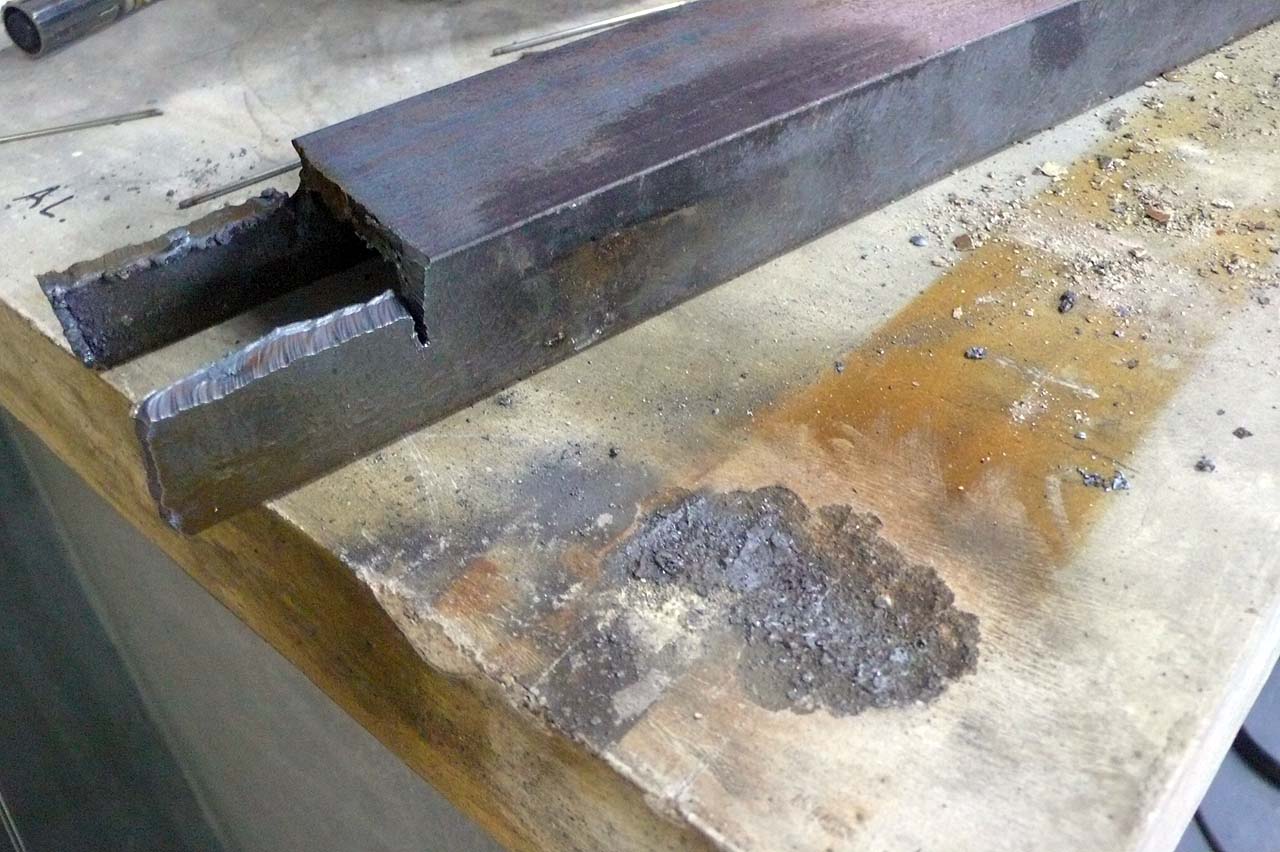
Table Damage

Plasma cutter erodes concrete tabletop

In the process, I learned something not to do with the plasma cutter. I laid the C-channel on a concrete table for cutting, and the plasma stream went straight through a quarter inch of steel and seriously eroded the concrete. Hard to believe this took only seconds to happen!

The plasma cutter is an amazing tool. Cutting through this much steel with a 14″ portable cutoff saw, well, after 15 minutes I gave up. Once you know what you’re doing with the plasma cutter, a cut like this takes only 10-20 seconds.

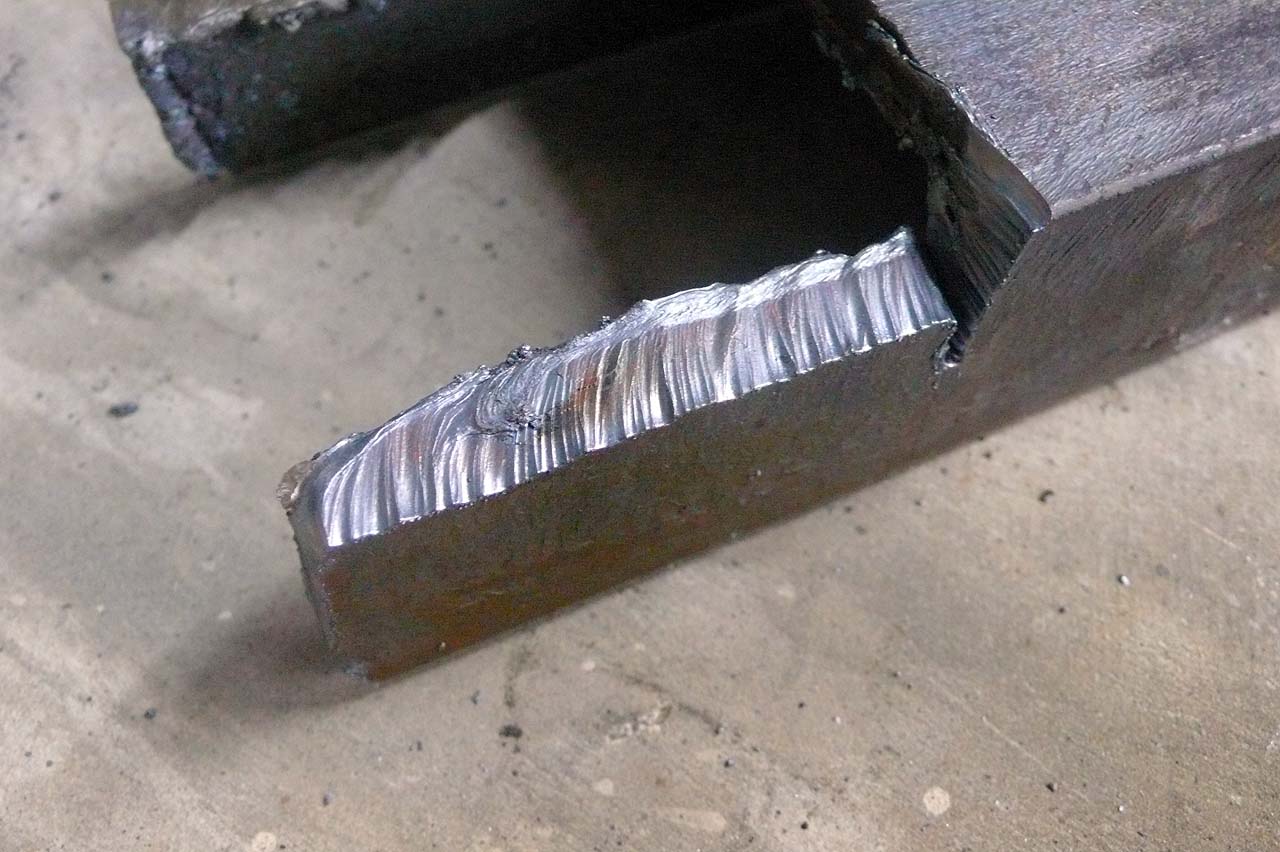
Plasma Cut Edge

Raw edge cut by plasma cutter


Here’s what the raw cut edge looks like. Those ripples are from the shaking of my hands as I move the cutter. When cutting, you feel no resistance at all, but if you go too fast the cut won’t go all the way through the metal. When first using the plasma cutter, it took me a while before I figured out what I was looking at. The welding helmet has to darken so much, and the plasma is so bright, that you can only see a tiny area around the beam. Eventually I figured out that, if you view from the right angle, you can see the actual beam which is as narrow as a needle. Once you can see it you can control it better.