Building the Firewall

Test Fit

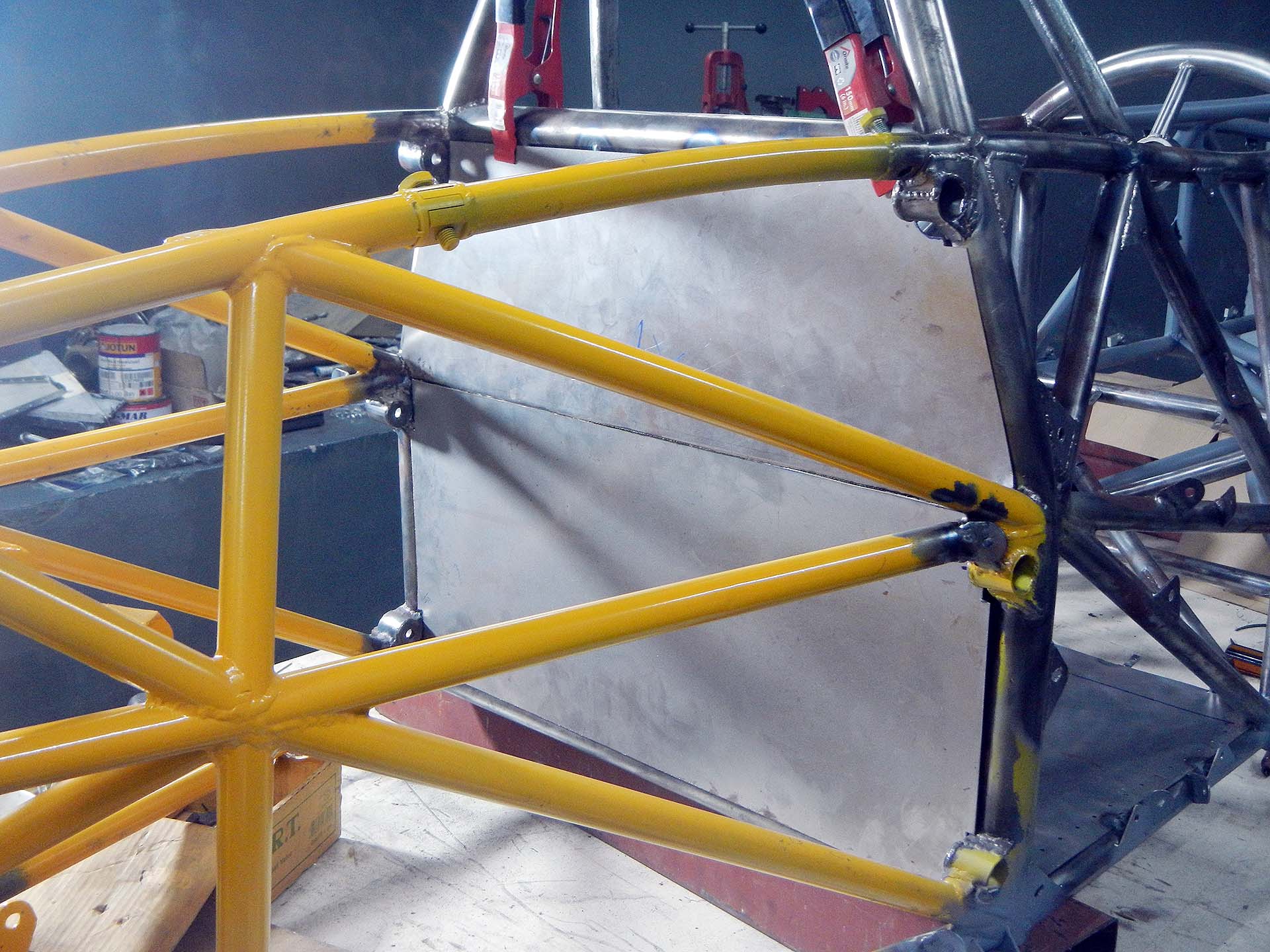
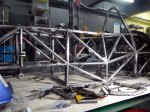
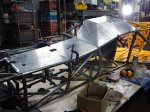
Test fitting the firewall

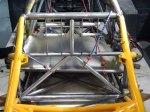
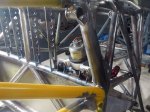
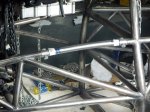
The firewall is a continuous, fully welded sheet of steel between the engine compartment and the cockpit. SCCA formula 1000 rules allow it to be a stressed panel, thus the continouous welding. Around the fuel tank it will be a double wall of steel for extra protection against engine explosions, insulated with shredded fiberglass to keep the fuel cool.

Fabricating the Fuel Tank

Fuel Tank

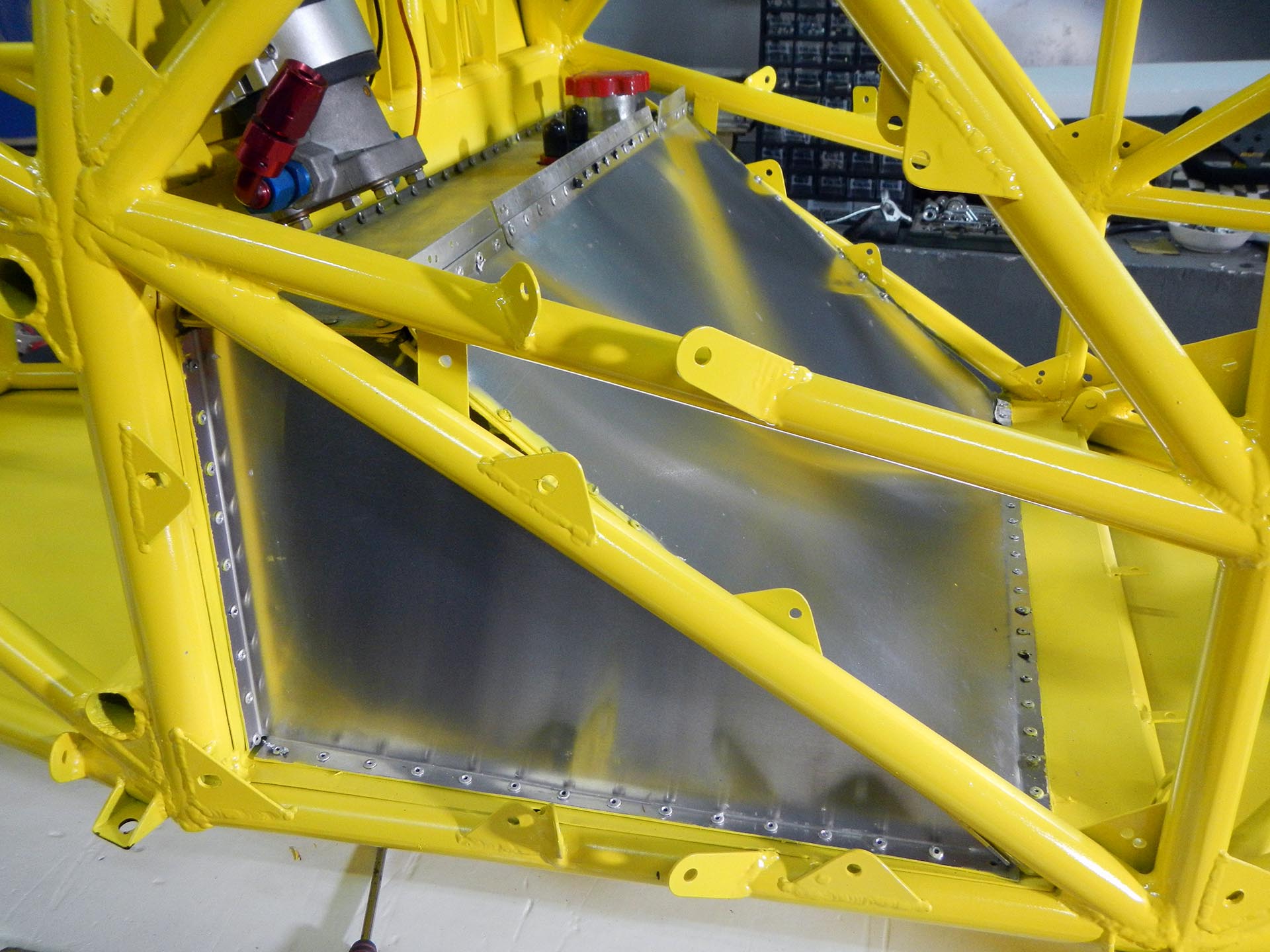
Finished fuel tank. You might want to wear sunglasses.

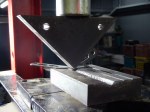
The fuel tank consists of an FIA FT3 certified fuel cell bladder, custom-made for this project by Aero Tec Laboratories, inside a custom made steel/aluminum container. The bottom and back of the container are made from a single laser-cut and bent sheet of steel, while the sides, front, and top are laser-cut and bent aluminum pieces. It’s carefully designed so the interior is completely smooth with all rivets and fasteners away from the fuel cell. All the rivet holes were laser cut also, meaning there’s only one way to fit it together– the correct way. This did make it very hard to install, however, as tolerances are zero to negative.
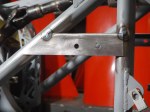
Inspecting or replacing the fuel cell bladder should be possible by drilling out all the rivets on the diagonal front panel and removing it. Not something I want to do very often.

Welding on More Random Jingly Bits

Shiny Frame

Some shiny frame porn for you…

I had not realized how many small brackets and things need to be fabricated and welded onto the frame before it can be painted. Weeks of work…

The nose mounts are so strong because the car will be lifted by a nose jack under the wing in the pits.


Mounting the Side Impact Panels

Side Panel

Aluminum side impact panels finished and mounted

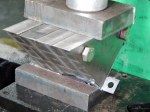
SCCA Formula 1000 rules require side-impact protection consisting of either kevlar laminated to the inside of the body, or 0.060″ aluminum or 18-gauge steel bolted to the frame. To keep the side impact panels from being used as a stressed member, attachment points to the frame must be more than 6″ apart. Mine are laser cut from 1.6 mm aluminum. The mounting holes were also cut by the laser to be sure of the 6″ rule, but this was a mistake as it made the mounting tabs much harder to fabricate. It would have been much easier to weld the tabs in place with holes already drilled, then drill through the tabs to the aluminum panels for exactly aligned holes. As you can see from one of the photos below, the panels fit perfectly. This project was a lot of cutting and welding with little apparent progress.

Building the Axle Halfshaft Extensions


Rear Suspension

Rear suspension, axles and differential in place

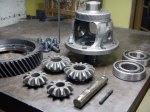
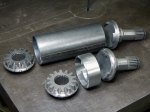
The car will use standard Honda Civic axle halfshafts, and I had the choice of cutting, sleeving and re-welding them, or building extenders that effectively widen the differential to meet the unmodified halfshafts. The cut/sleeve/re-weld option would eliminate the axle hardening and leave unknown strength, and I’ve since seen an example where this was done and the axle broke right at the weld. The option of “widening” the differential has several advantages. First, we can easily replace the halfshafts if necessary in the future with off-the-shelf parts. Second, moving the inner constant-velocity joint closer to the plane of the control-arm pickup points minimizes the plunge, or change in length, required as the suspension moves through its travel. Third, the halfshafts become equal length, eliminating torque steer. Now you may say “but, the extensions will be of different length and will twist unevenly so the torque steer won’t be eliminated”. The extensions will be much stiffer than the axle shafts so that won’t be the case.

So the choice was clear. We started with a differential and a couple of halfshafts as raw material…


Mounting the Rear Sprocket

Mounted

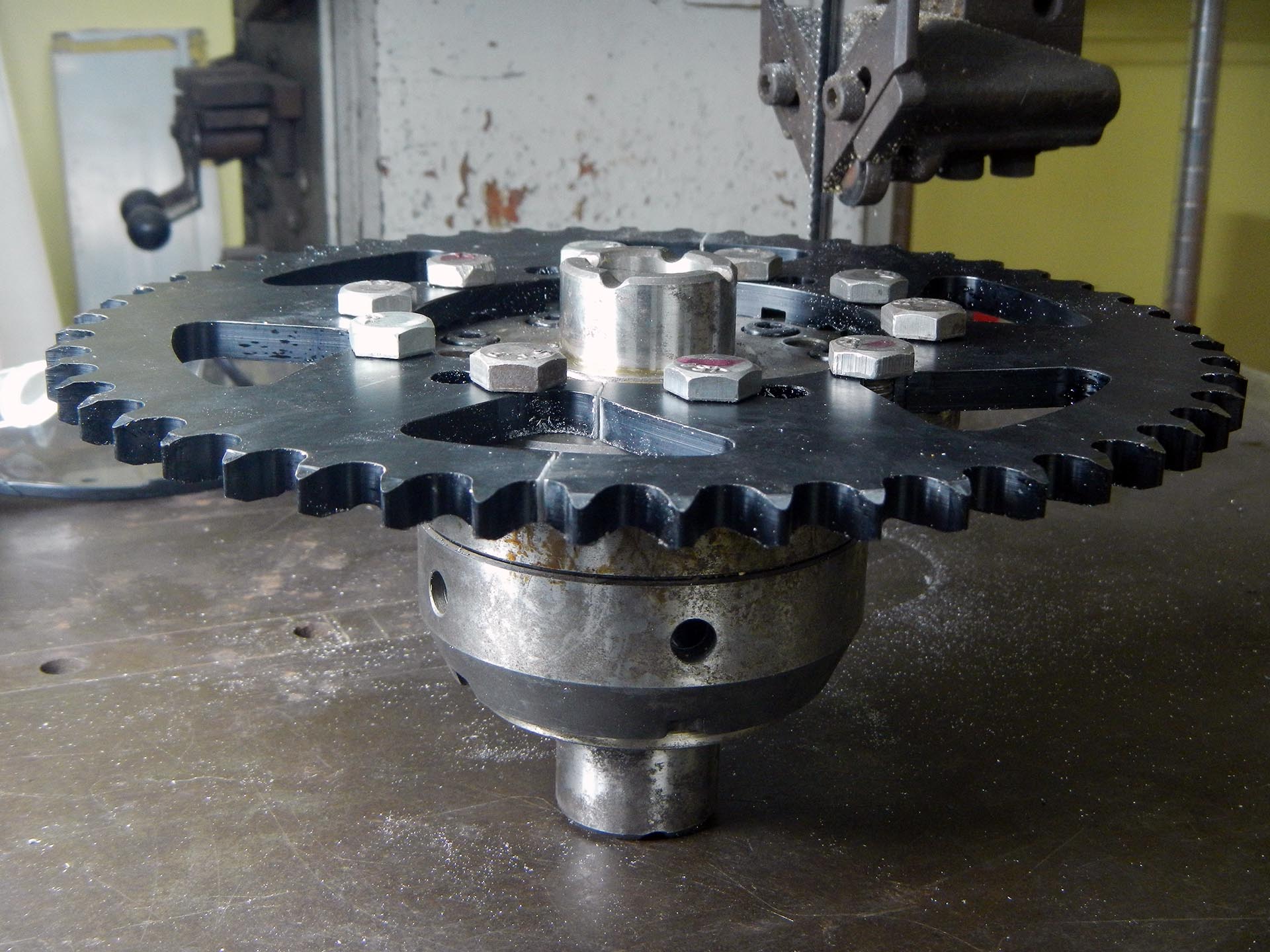
Rear sprocket mounted on the differential

The limited-slip differential is a torsen or quaife type made by OBX, imported from the USA for an American-style Honda Civic. The differential ring gear on American Honda Civics is mounted with left-hand threaded bolts, so I blithely go down to the auto recycler here in Thailand and buy a differential for donor parts. Hmmmm… these bolts don’t fit. So I check carefully and find these differentials are sold in Thailand with right-hand threads! I go back to the auto recycler and ask for left-hand threaded bolts. They just look at me with that “crazy foreigner” look. OK, all we have to do is order some American-style bolts from Ebay US… There is exactly one listing on all of Ebay, and they don’t ship to Thailand! Plan B: drill the suckers out and use through-bolts.

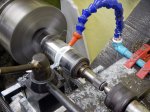
This is where I find out the differential housing is made of some ultra-hard tool steel, or maybe kryptonite or something. Wow, are these holes difficult to drill out. Solid carbide end mill, highest speed on the milling machine, lots of lubrication, and wait. And wait. And wait…

Next we had to drill a matching hole pattern in the rear sprocket, then cut it in two halves for quick changing at the track. This sprocket will be for static test only as the new hole pattern wasn’t compatible with the old one, leaving thin aluminum in some places. I’ve since ordered a blank rear sprocket from England which I will cut with only the correct holes.

Fabricating the Differential Mounts

Finished Diff

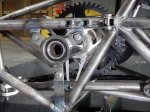
Finished differential, differential mounts, and rear sprocket

Thirty-four years ago I designed a car for the SAE collegiate Mini-Baja competition. The differential was inadequately supported in the middle, and although it didn’t break on us, it broke the next year and sidelined the car. I’ve felt guilty ever since, so that’s one mistake I’m determined not to repeat. This one should be adequate…

Later I plan on fabricating some sort of container or plugs to keep the oil in the diff.

Removable Engine-Compartment Frame Rail

My original plan was to make the engine install from the bottom as I’d owned Porsche 911s for most of my life, but feedback on the ApexSpeed.com forum made me change my mind. The change was fairly simple, requiring only making the upper right engine-compartment frame rail removable. Taking an angle grinder to cut a big chunk out of my finished frame definitely made me measure seven times, cut once.

Fabricating GSX-R1000 Engine Mounts

Sorry for the long delay since the last blog entry. A lot of water has gone under the bridge since then. But don’t worry, the project has continued, although with some big distractions. I’ll be trying to catch up on my blogging in the next few weeks.

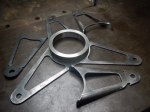
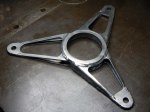
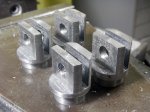
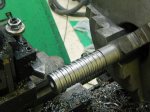
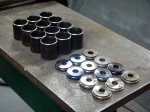
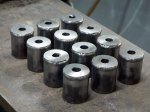
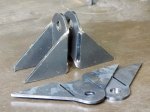
Next up is fabricating the engine mounts for the 2007-8 Suzuki GSX-R1000 motorcycle engine. I surveyed the state of amateur formula-car engine mounts, and decided a lot of them are inadequate. This video got me to thinking: https://www.youtube.com/watch?v=m1j7hmJmSJA as my car should be faster than a Ferrari 458. Some might be skeptical of that speed comparison; if you are, take a look at this comparison of a Porsche 911 Turbo versus a formula 4 car: https://www.youtube.com/watch?v=e8WyvVbVu4k . A formula 1000 car should compare favorably with a formula 4 car. Either way, you lose a lot of torsional rigidity with the large open hole to mount the engine, and I hope to recover much of that with a strong triangulated set of engine mounts.


Building a Workshop Gantry Crane

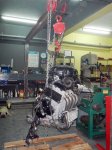
I need to be able to lift the engine into the chassis, but due to the lowered floor of the work area a standard engine lift won’t work. While I’m at it, it would be nice to be able to lift the entire assembled car off the build table, turn it ninety degrees, move it to the door, and roll it out of the shop. Below is the solution. Sorry there aren’t any plans. The build process was “go to your local metal recycling center, buy some scrap beams, clean them up, cut them as necessary, and weld them together”. I’m getting more comfortable with winging it in the machine shop.

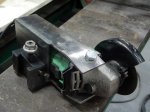
Also shown below is a mount I built to mount an angle grinder on the lathe. Parting-off has always been a problem. I’m just about to make the engine mounts, requiring at least 36 cutoff operations, and I figured I’d better solve the problem. I have a cutoff tool but only purchased a small number of carbide inserts; the inserts wear out really fast and I either have to order more from the US or drive at least an hour to a store that MIGHT have them. This baby works great, giving a clean straight cut. Just have to be careful not to let the abrasive get into the lathe.