Making Chips… Finally!

Assembly Drawing

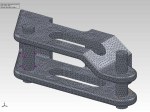
Lower suspension attachment clevis assembly drawing

It seems that other people who’ve built cars from scratch attempt to get their cars rolling on the ground as soon as possible, so I figure I’ll do it that way too. With that in mind, it’s time to start fabricating the suspension. First up: lower suspension attachment clevises. I ordered 7075 aircraft aluminum from the United States as part of my big shipment. It’s amazing stuff– stronger than steel but light as aluminum. These assemblies have to be extremely strong, as I calculate that under braking the front one takes a load of over 4400 pounds.

Contents: 1 Race Car Kit, some assy. req’d

I’ve been accumulating parts for almost the past two years in a warehouse in Los Angeles as it’s easier to buy things in the US and ship them all the way to Thailand than it is to just buy them in Thailand. Also, I only wanted to navigate Thai customs one time. Finally gave them the go-ahead to ship, and a few weeks later everything arrived at my door. Includes just about everything that I can’t make myself or buy in Thailand: wheels, brake calipers, brake discs, brake pads, master cylinders, Aeroquip tubing and fittings, torsen differential, rear axles, spherical bearings, bearings, rod ends, 2007 Suzuki GSX-R1000 engine, crash padding, radiator, oil cooler, kevlar, vacuum-bagging materials, vacuum pump, Halon fire system, and more. Also, everything I need to fully fit out my machine shop, like a rotary table, angle table, and cutting tools. Better than Christmas!

Some assembly required. May require common household items such as tape, scissors, stapler, lathe, milling machine, and TIG welder.

Redesigning Suspension Components

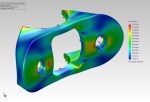
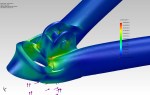
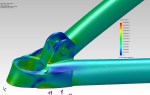
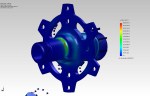
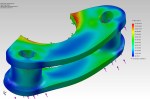
So I was ready to build the suspension attachment points and decided I’d better do a finite -element analysis. It turns out they needed a lot of tweaking, and in a shin-bone’s-connected-to-the-thigh-bone kind of way, I ended up redesigning just about every suspension part all the way to the lug nuts. Part of this came when the quote on building the upper suspension attachment clevises came in way higher than expected, so I redesigned them so they could be laser-cut, hopefully much cheaper than CNC machining. Don’t have the new quote yet.

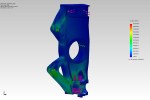
Also, I received the huge shipment of parts, supplies, and tools that I’ve been aggregating in LA for almost the past two years, and some idiot in purchasing (me) managed to order the wrong brake calipers. Everything was right except for the mounts, which are the lug style instead of the radial style. At least now I really know the tradeoffs between the two approaches. The upright for lug mount brake calipers is only about 35 grams heavier than the one for radials, and the calipers are $80 cheaper each. Over $1000/pound for that weight savings… Actually, that’s not quite fair as I don’t know the relative weights of the two caliper styles.

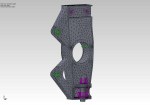
Anyway, we have lots of pictures of FEA meshes and results:

Building the Frame: Roll Hoop to Tail

How to Fishmouth Tubes in Solidworks

After playing around with various kinds of hole cutters, mills, angle vises, and so on, I’ve settled on the best method for cutting fishmouths in tube ends so they fit together properly when building a tube frame with round tubing. Since the tubes will be welded they don’t have to be perfect as you would get by using a milling machine. Also, the typical joint has several tubes meeting which need to accomodate each other, and on a milling machine this would take a separate setup for each tube at each joint, taking an inordinate amount of time. Forcing Solidworks to show the correct shape of the ends of each tube requires some real work, an explanation of which I found over on the LoCost website. I’m going to provide a modified and updated tutorial here.

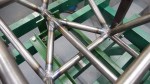
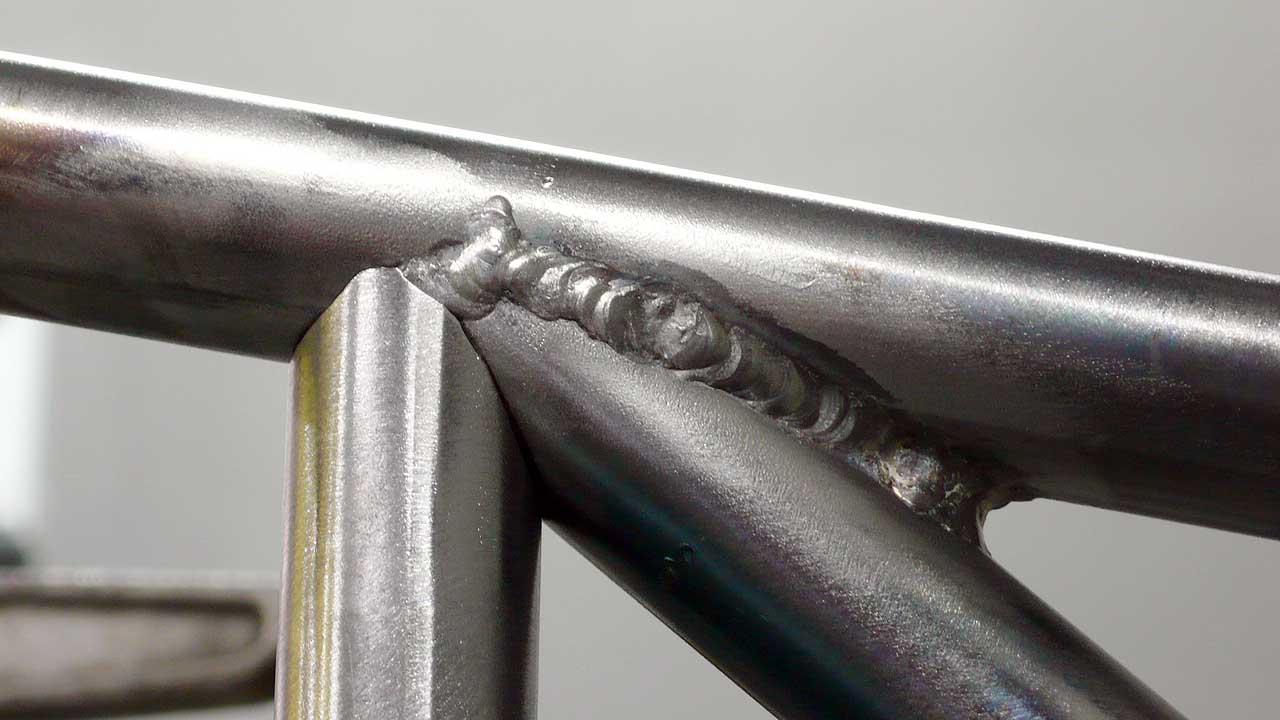
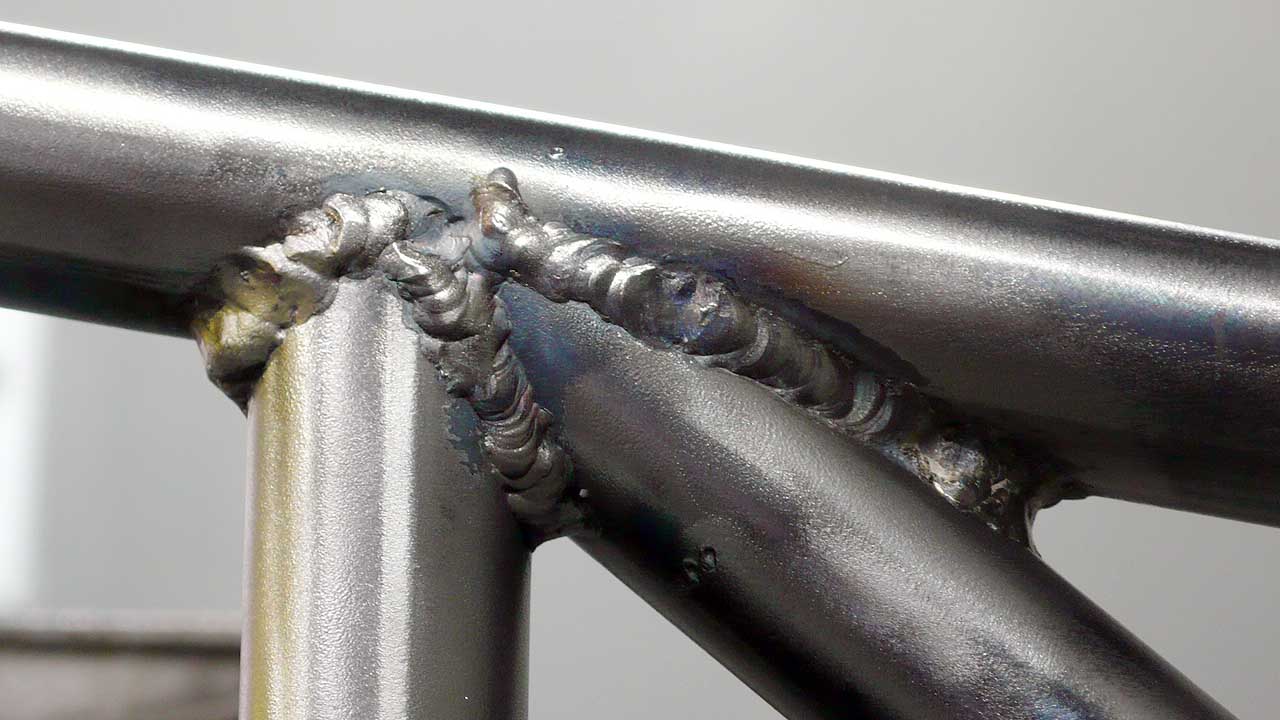
The first thing to understand is that each tube must be fully welded before adding the next tube. This makes the finished structure much stronger than if you tacked all the tubes in place and simply welded around the remaining visible joints. Here’s an example:

Welded Joint

In a multi-tube intersection, the first two tubes are fully welded before adding the next tube

Third Tube

Third tube in place before welding

Third Tube Welded

Third tube fully welded

Solidworks Tutorial

Although the following tutorial may look long and complicated, once you understand what’s going on each step will only take seconds. And believe me, it’s much faster than grinding a tube to fit using trial and error. More accurate, too.

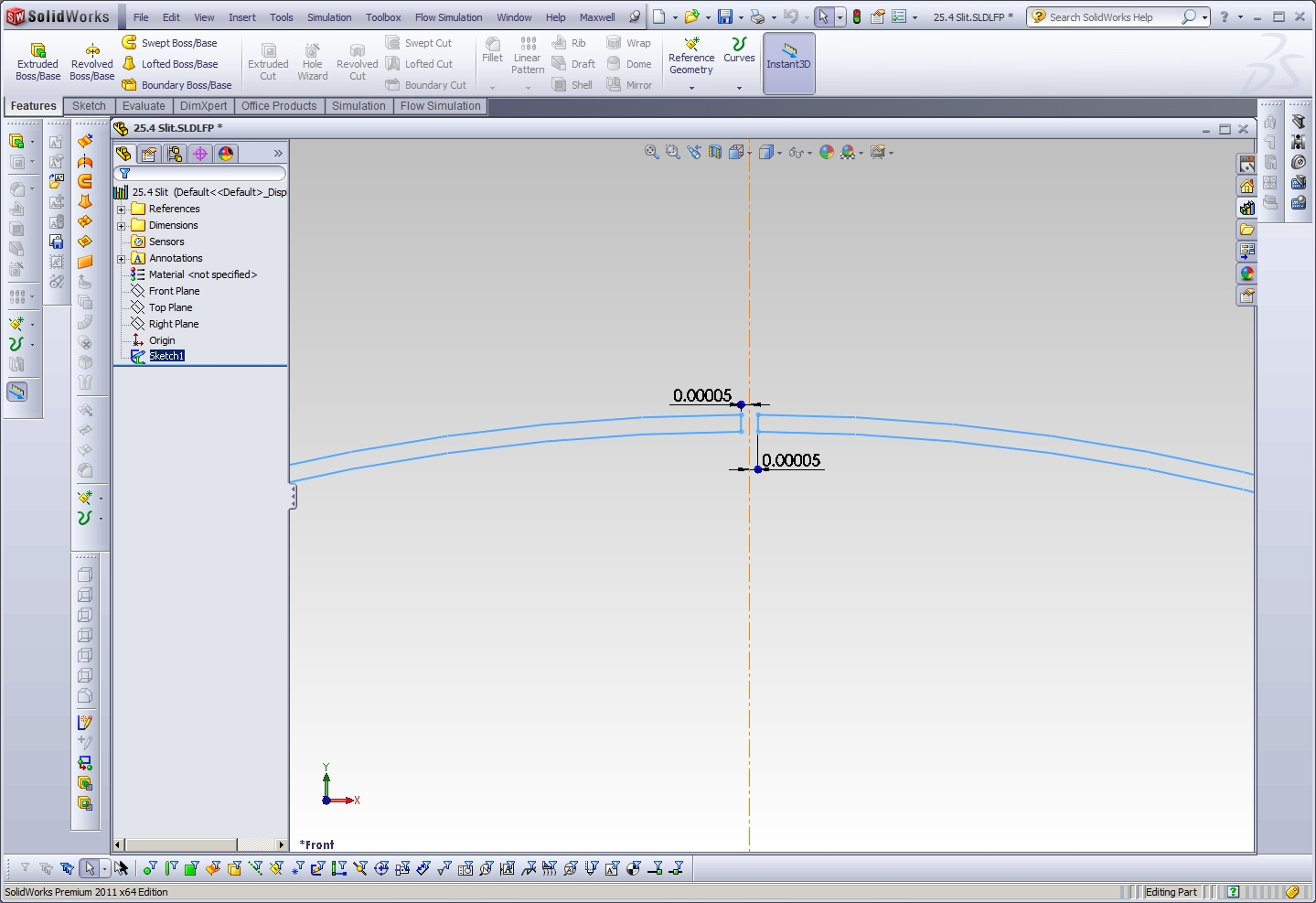
Weldment Profile

First, create a weldment profile with the correct outside diameter, a thickness of 0.1mm, and a gap of 0.1mm as shown.

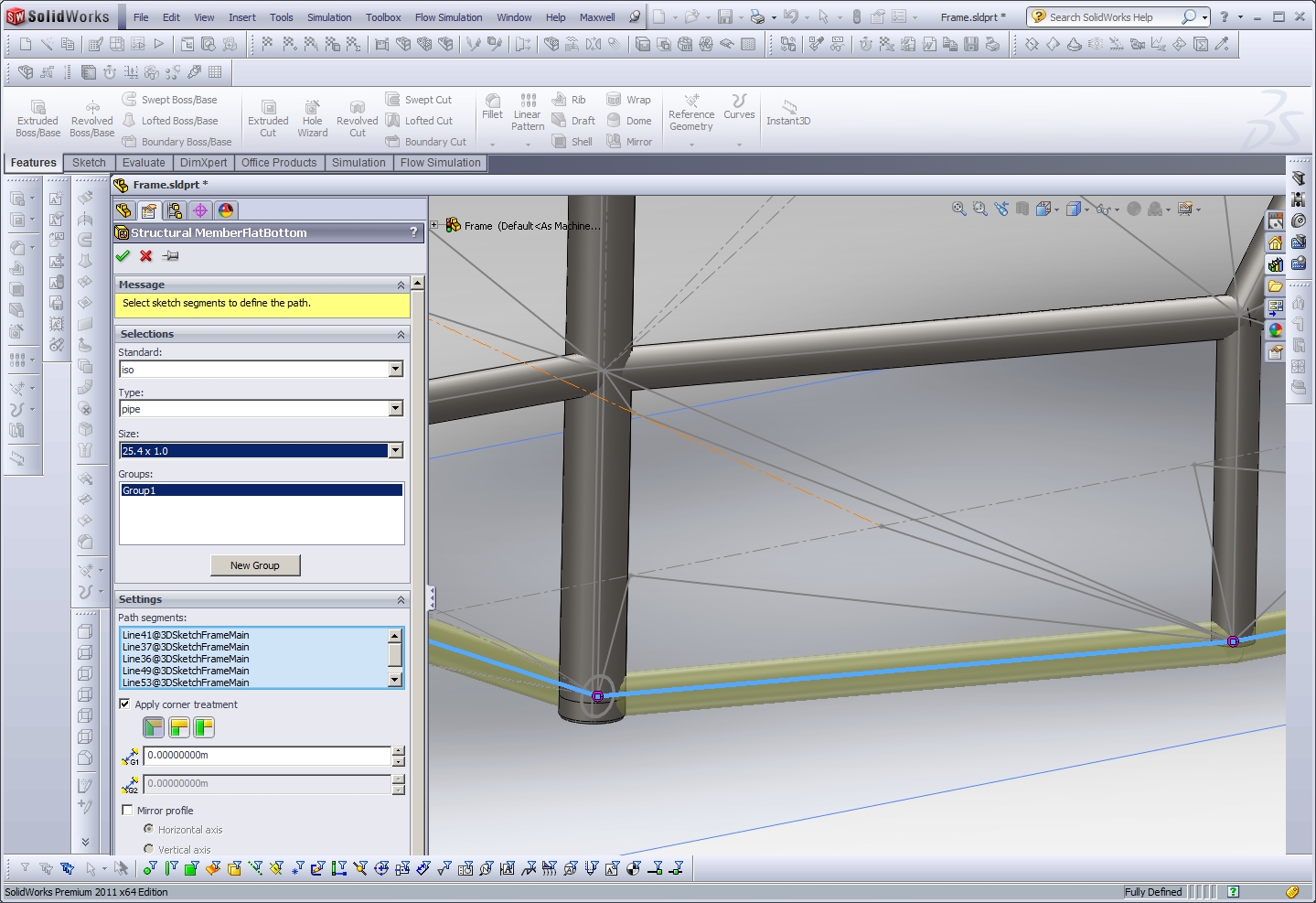
Original Weldment

Original weldment use a profile of 25.4 x 1.0 mm round tube

Replace Profile

Replace this with the new, slitted profile

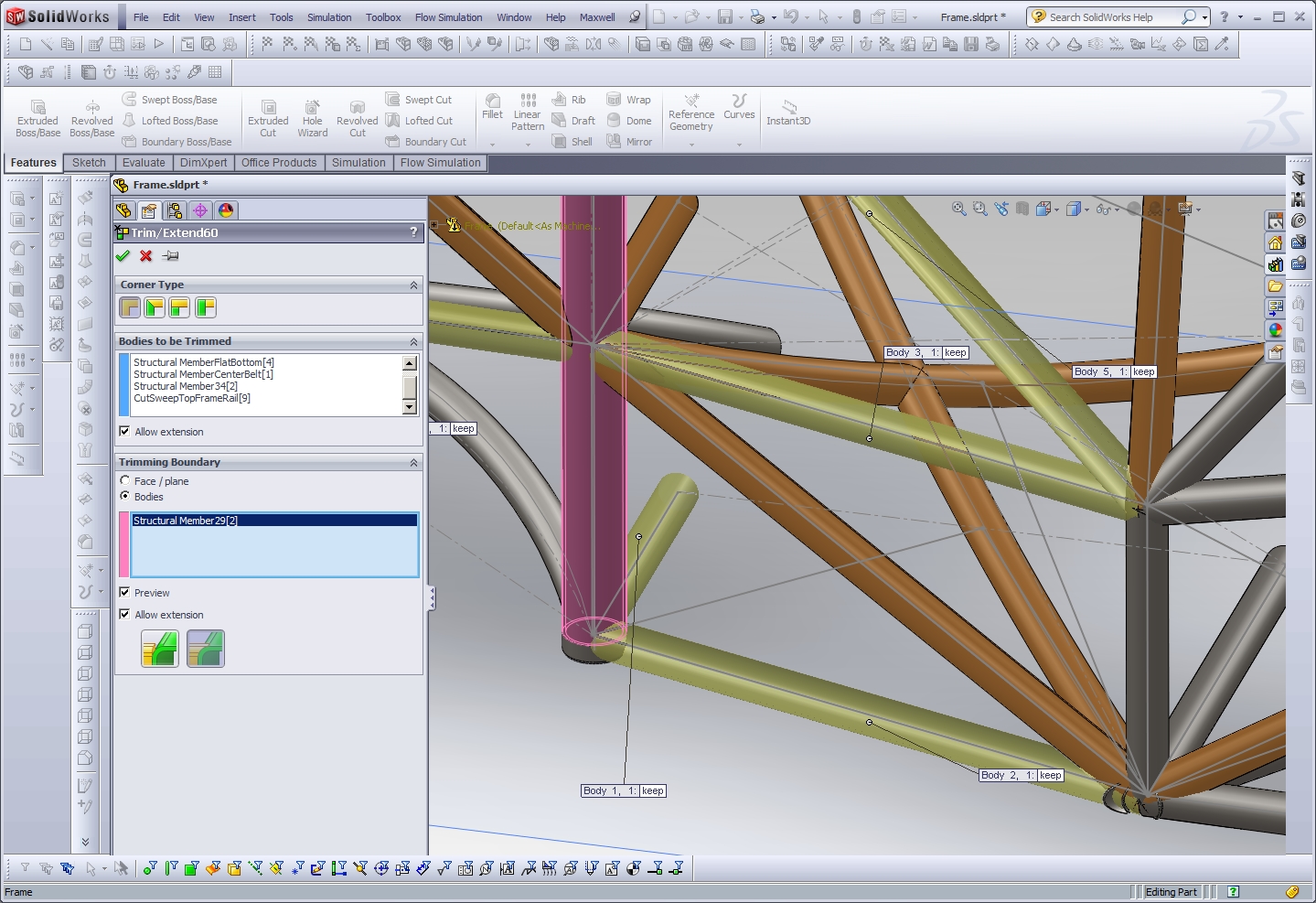
Check Trim

Each tube will need to be trimmed to the tubes around it, reflecting the order in which they will be assembled. Insert > Weldment > Trim/Extend. Check your trims.

New Part

Select the tube, right click and choose "Insert into new part".

Save Part

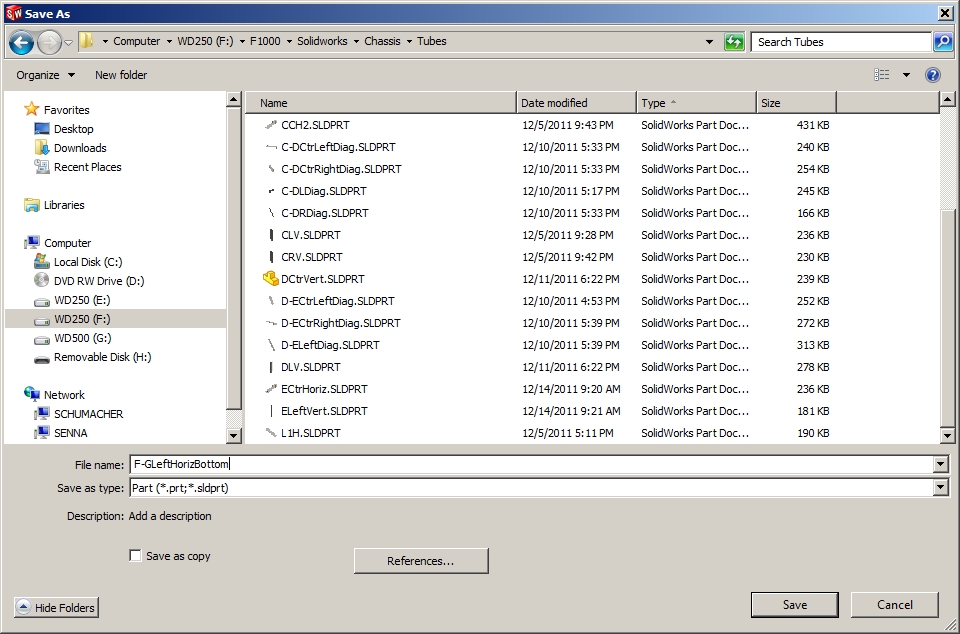
Save the part with a descriptive name. I keep a separate directory of tubes.

Sheet Metal Bends

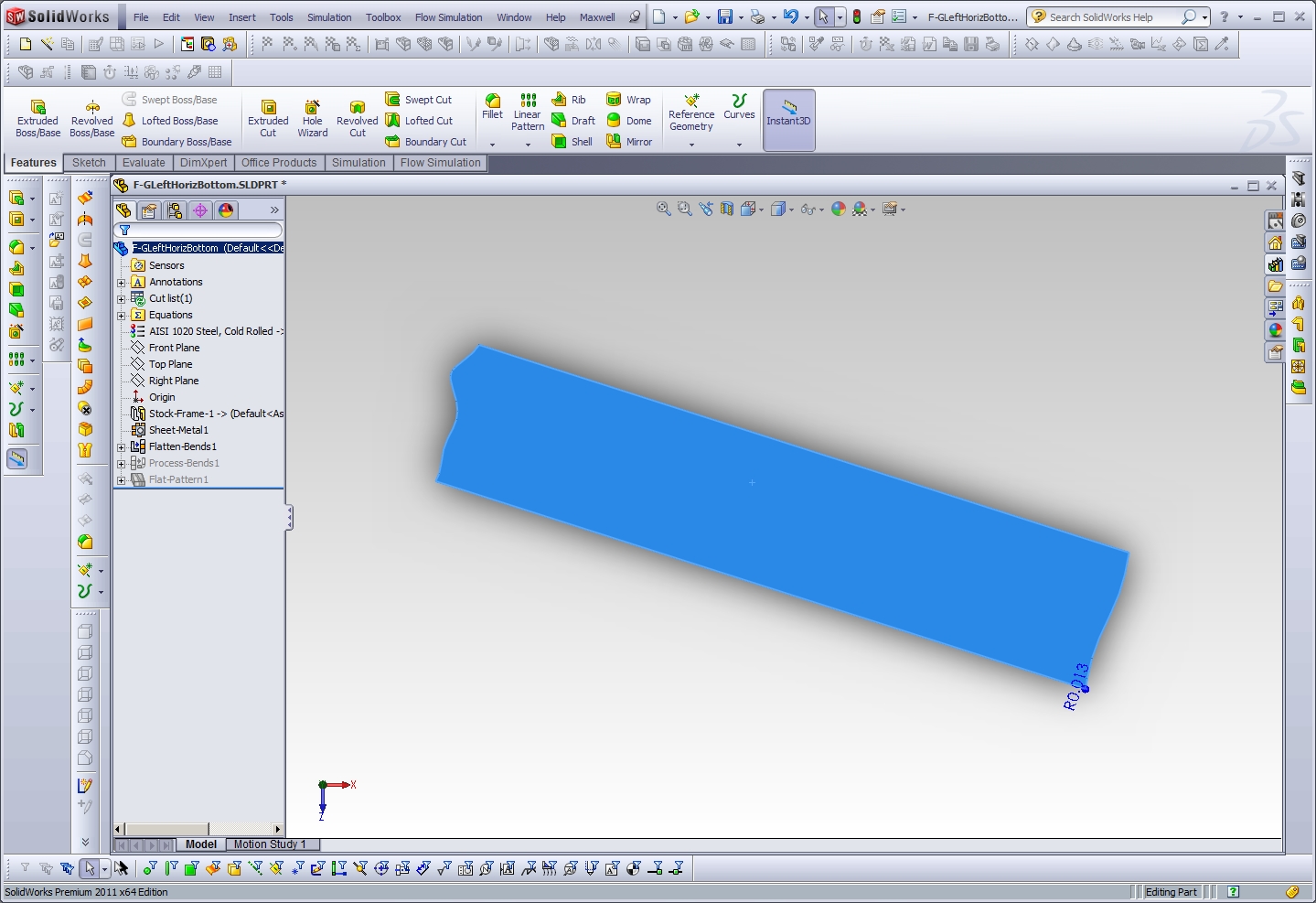
Select an INSIDE EDGE and click Insert>Sheet Metal>Bends.

Click OK

Just click the green check mark. No need to fiddle with any options.

Suppress Bends

Right click on "Process Bends" and choose "Suppress".

Flattened Tube

And you get a flat sheet.

Get Normal View

Select he surface and choose a normal view

Normal View

With a Normal View, dimensions and shapes will be correct.

New Drawing

Open a new drawing and insert the current model view.

1:1 Scale

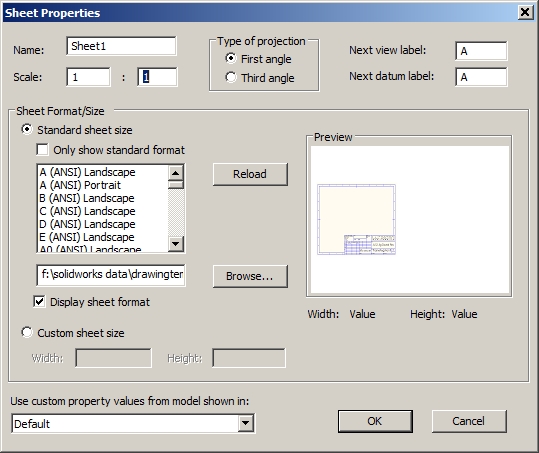
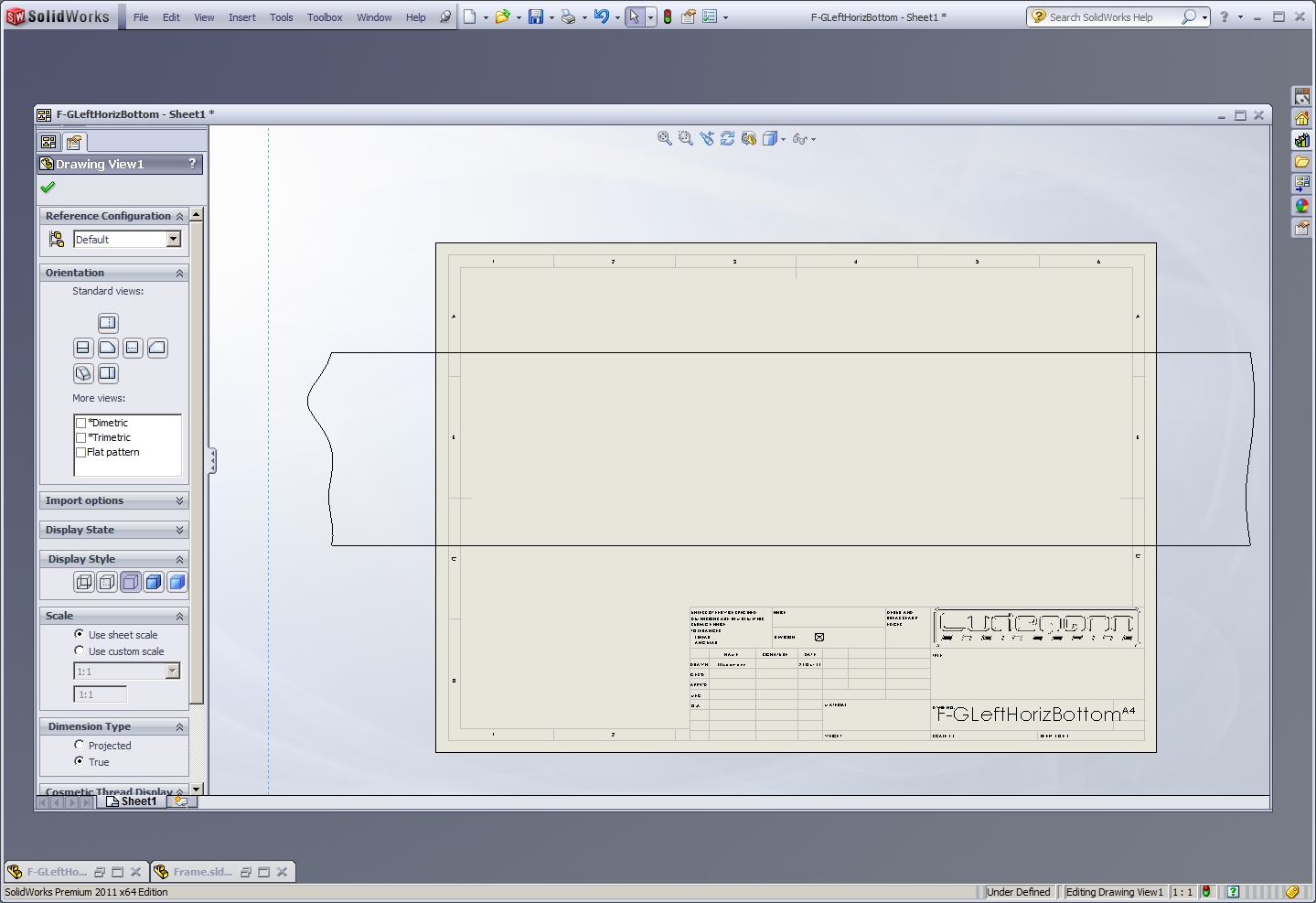
Set drawing scale to 1:1, full scale
Rotate View

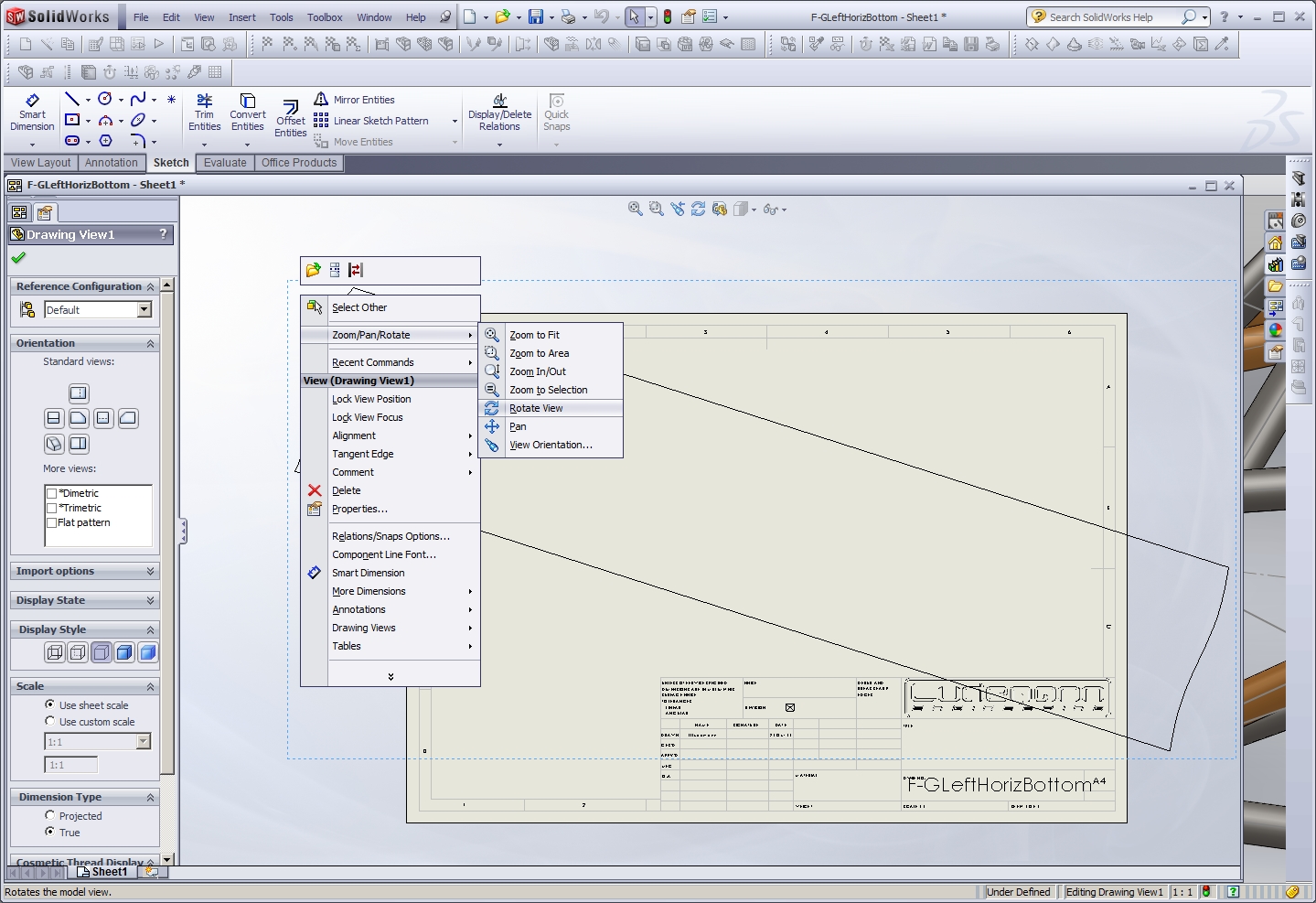
Right click on the drawing view and choose Drawing Views > Rotate View.

Rotate View

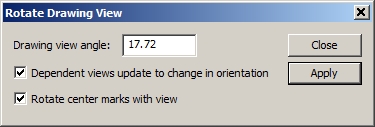
Through trial and error, figure out how much to rotate the view so that it is horizontal.

Now Horizontal

Now we have a horizontal drawing view.

Insert Another

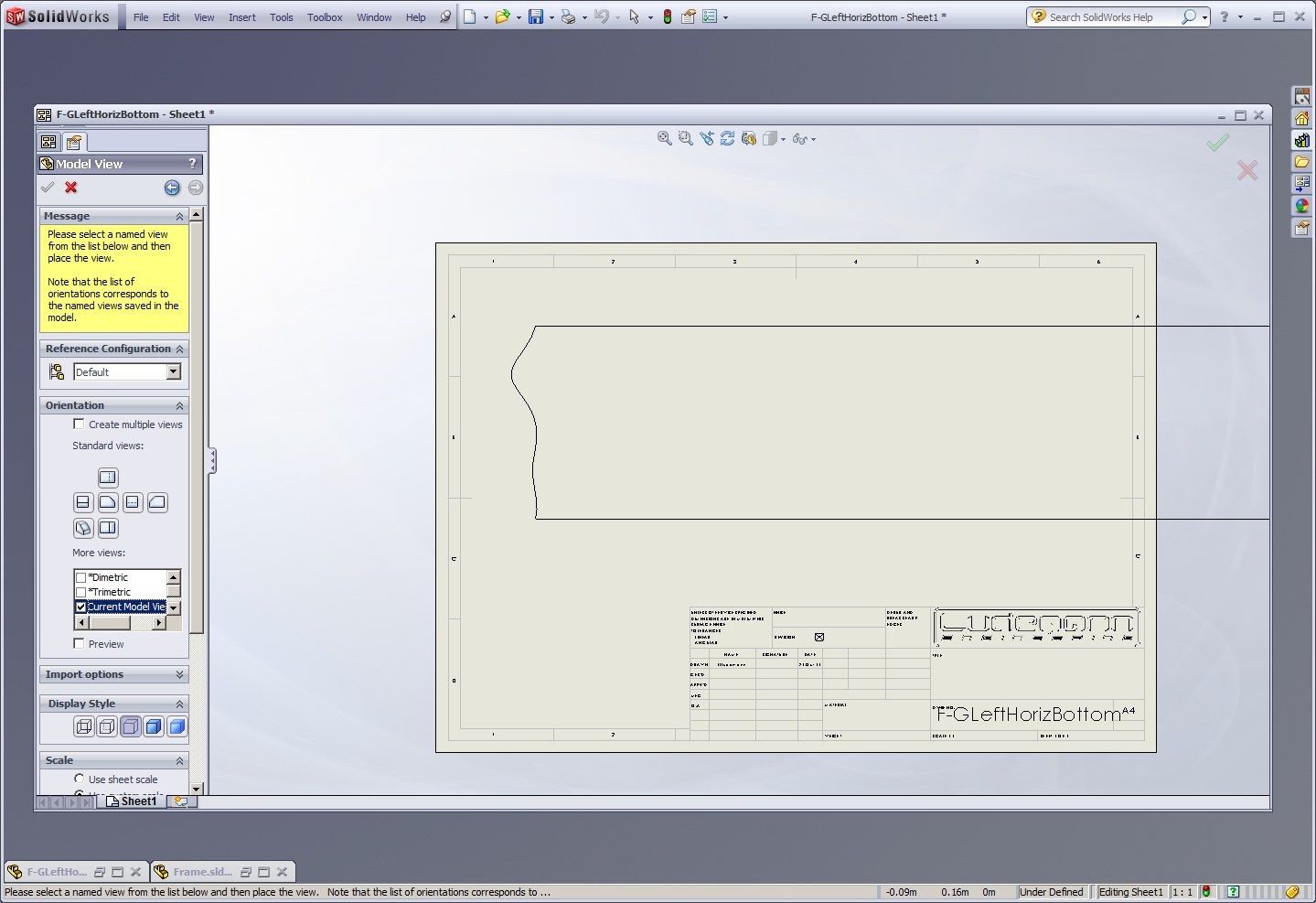
Insert another drawing view...

Current View

Also of the current model view.

Rotate Again

Rotate the view as before to get another horizontal view.

Two views

Two views on one drawing.

Align Horizontally

Align the views horizontally by right clicking on one view and choosing Drawing Views > Align Horizontally by Origin.
Draw Rectangle

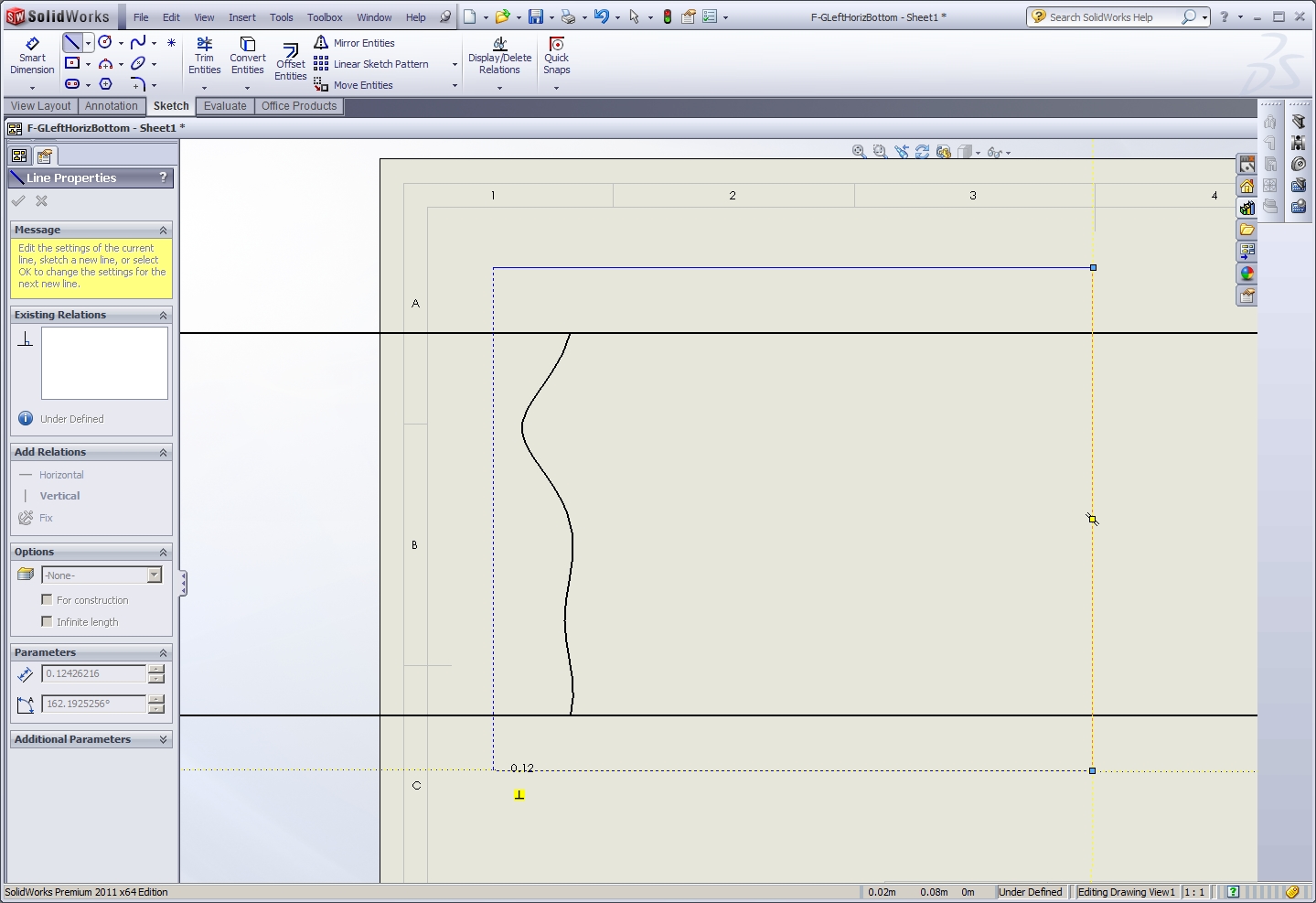
Crop each view by first drawing a rectangle with 4 lines. The automatic draw rectangle won't work because it uses the unrotated axes.
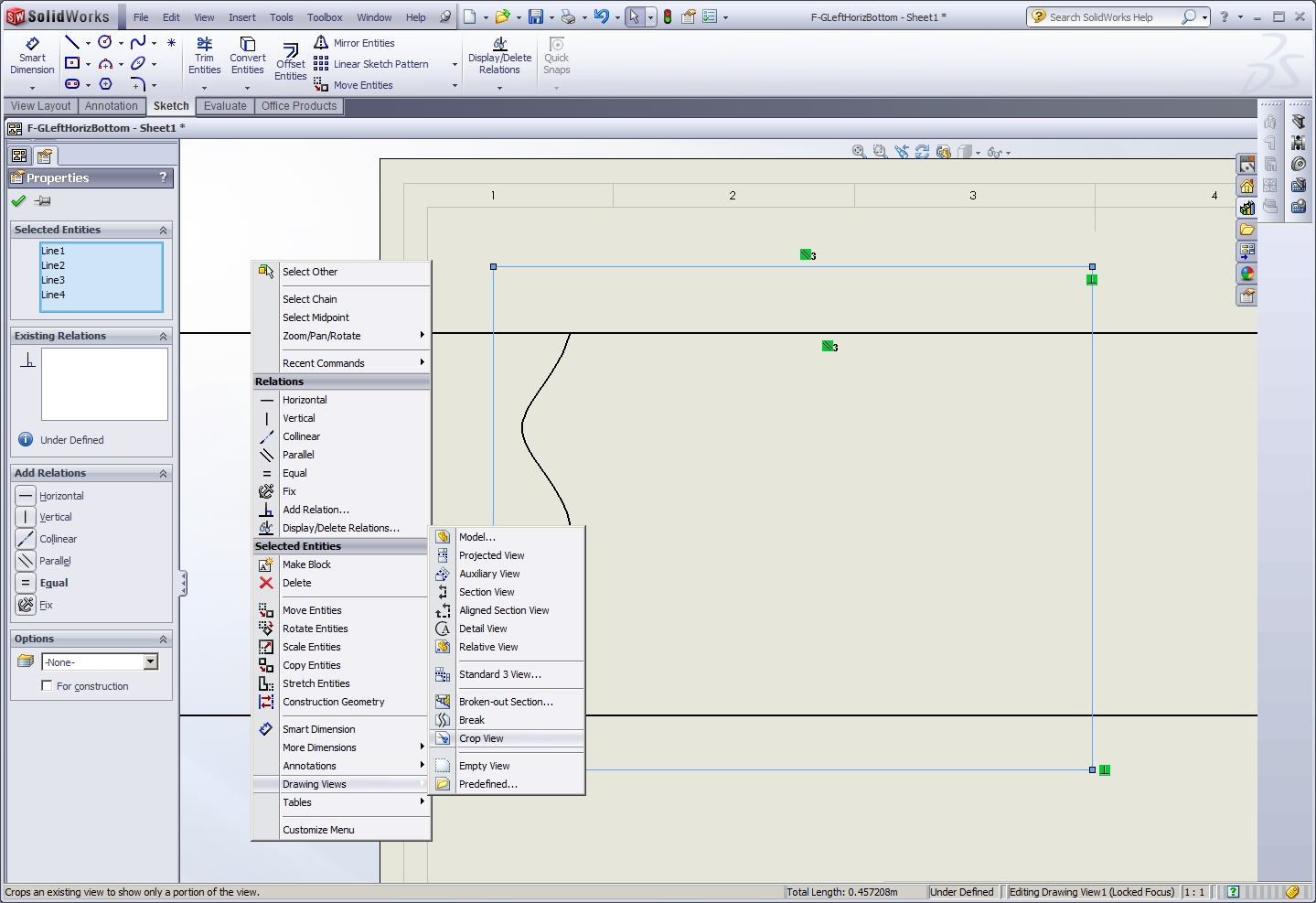
Crop View

Crop the view by selecting the four lines of the rectangle, right click and choose Drawing Views > Crop View

Shortened Tube

Now we have both tube ends with the middle removed, fitting on a single A4 sheet.

New Sketch

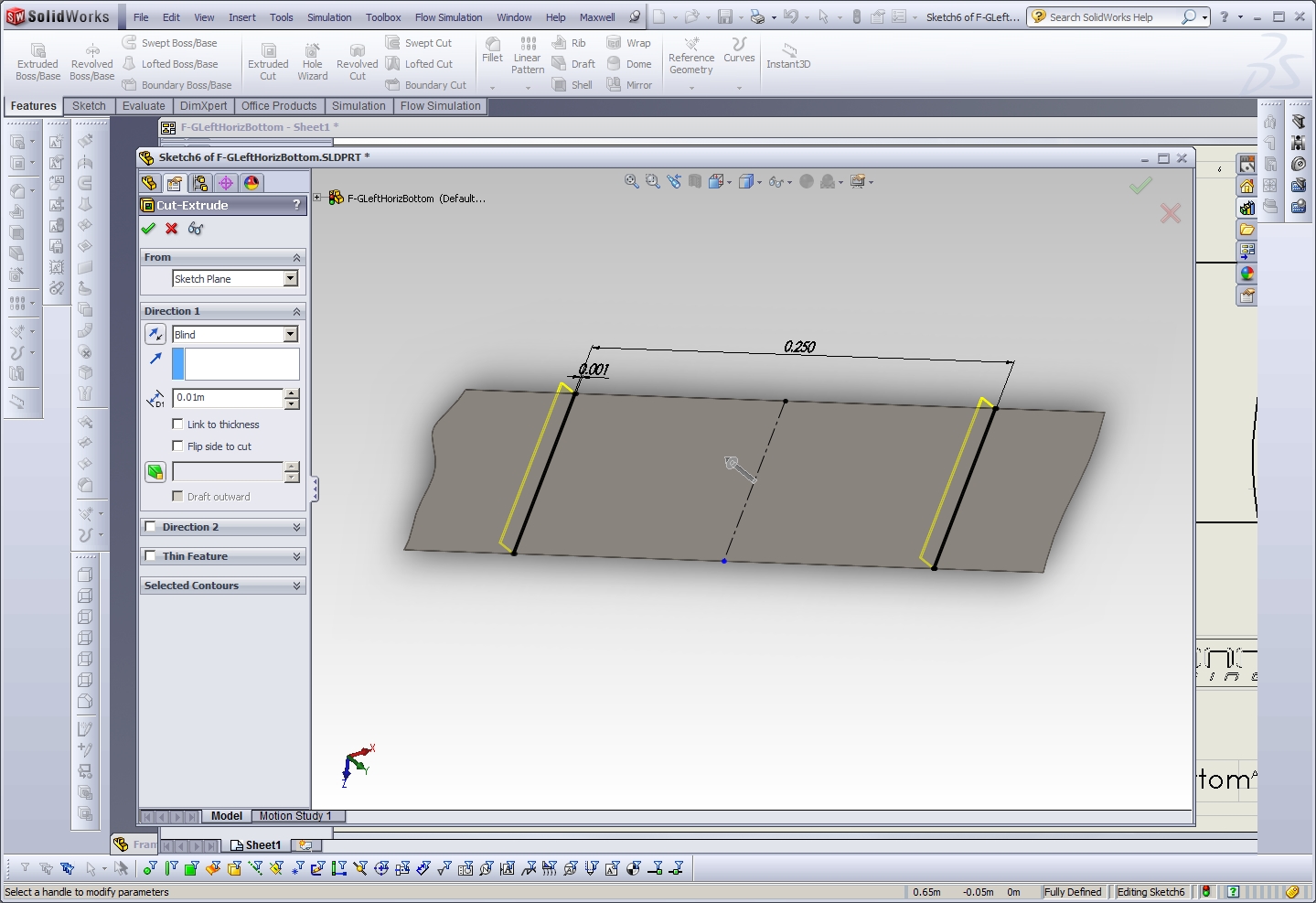
Now we need a reference for how far the ends of the tube are from each other. Go back to the tube part and create a sketch like this.

Extrude Cut

Using the sketch, extrude a cut through the part and keep all bodies.

Cut Part

The part now looks like this.

Drawing Annotations

Go back to the drawing and add annotations as necessary for use in the shop.
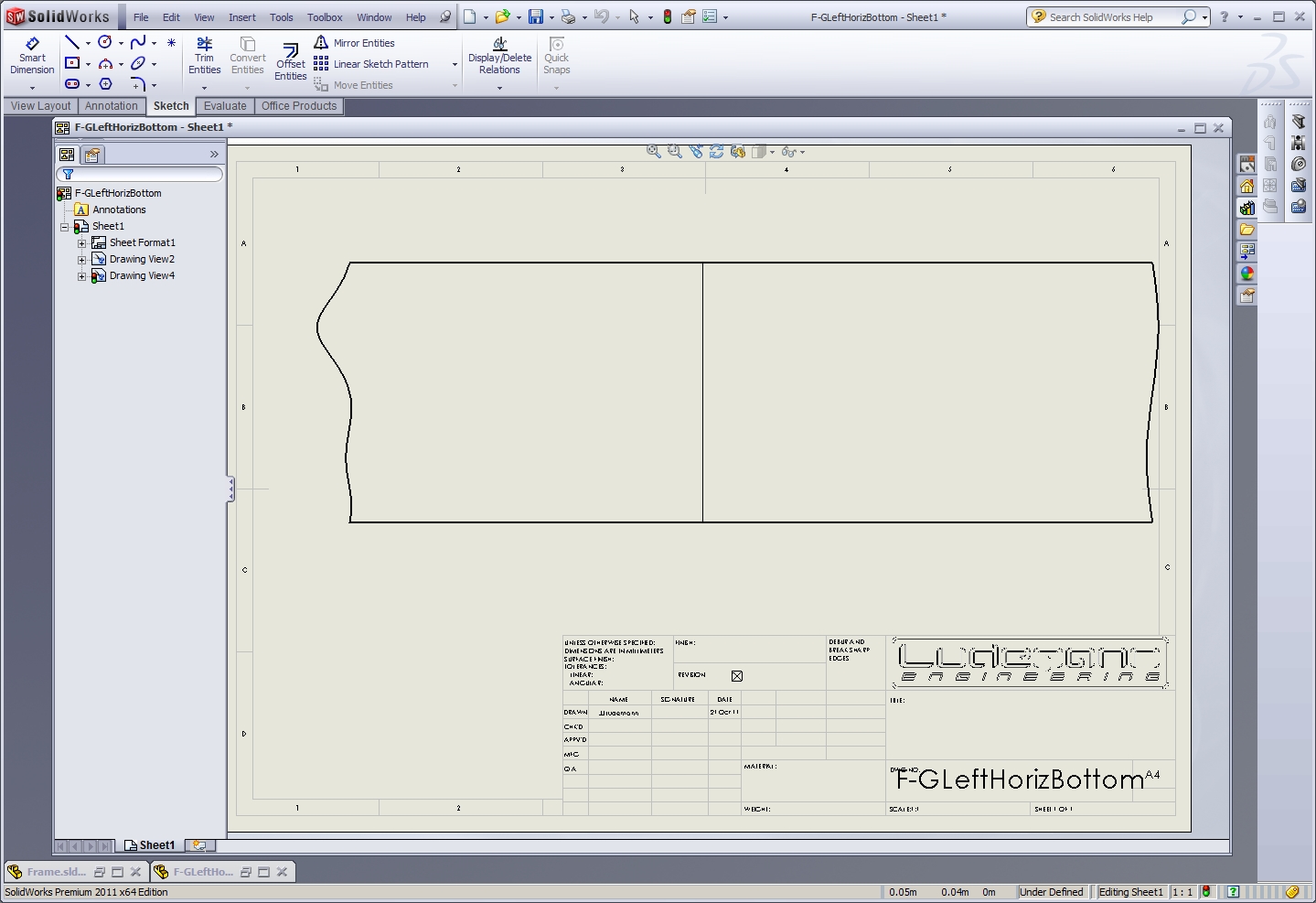
Save as PDF

Save the file as a PDF and print it out on sticker paper. Cut out the 2 ends and stick them on the tube at the indicated distance. Use an angle grinder to grind to the lines.

By the Pricking of My Thumbs, Something Wicked This Way Comes

Bwahahahah!

A mysterious form begins to take shape on the slab

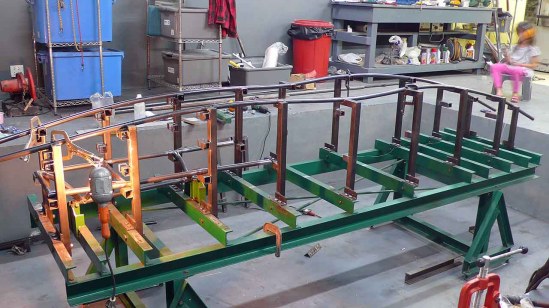
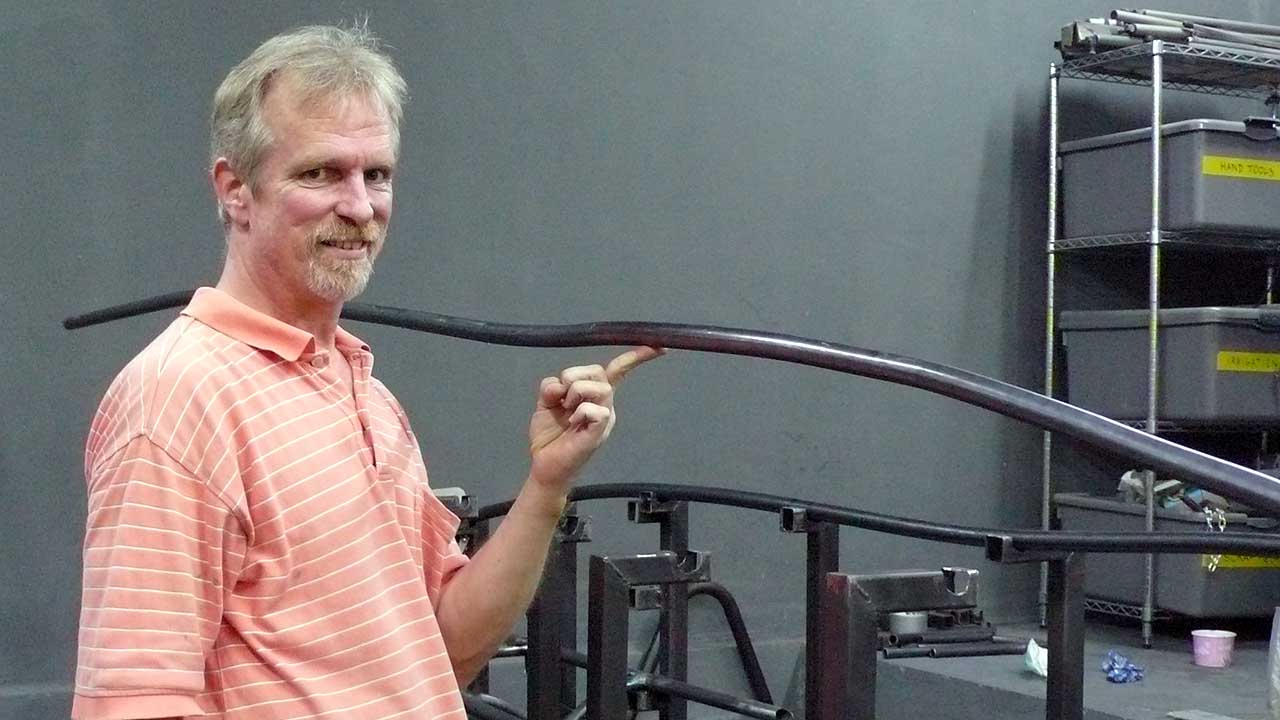
Now it’s time to test one of the big unknowns of this project: can the top rails be formed in the shape of a complex 3D spline, and can the left and right sides be made to match? The CAD software won’t even allow a structural member in the shape of a spline, requiring them to be composed of straight sections and arc sections. Other exoskeleton cars have been built, but as far as I know always with a single curve in the main frame members. And of course a tubing bender is designed with the assumption that it will be used to form constant-radius segments. I believe this is the first car to be done this way, so I’ve put a lot of effort into the chassis jigs to get it right. The top rail spline is a key to the beauty of this design. To make a long story short, it is in fact possible to bend a 3D spline on a tubing bender. It just takes a lot of trial and error, patience, and about a day of work per rail. And luckily, overbending can be corrected by running the tube back through the bender, clocked 180 degrees.

“The pricking of my thumbs” is not entirely rhetorical. In fact I almost cut off my left thumb while building the top rails, so a word about safety. A tubing bender is a SERIOUS PIECE OF EQUIPMENT. It won’t even notice bones and flesh being fed into its’ rollers. I had already turned off the bender and reached to grab the tube as it was twisting on the way into the bender. The bender caught my glove and started pulling my thumb in, stopping at the last possible millisecond before inflicting permanent damage. It hurt and left a mark, but I was insanely lucky. So, 1.) Never wear gloves while using a tube bender. They protect you about as much as Saran Wrap, and it’s better to have your fleshy appendages dangling about unprotected to remind you of the danger. 2.) NEVER, NEVER touch the tube on the side being fed into the bender. Always handle the side being fed out. and 3.) Before pushing the “on” switch, stop, think, and say to yourself  “I’m not going to become an amputee on this bend.”

Straight tube

So here's the problem: how do we make this straight tube fit all those notches located in 3D?

Half Done

Left top frame rail about half done

Left rail done

Top left frame tube fitted to chassis jigs

2 Top Tubes

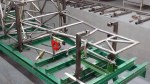
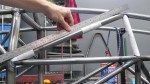
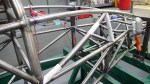
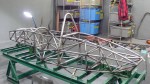
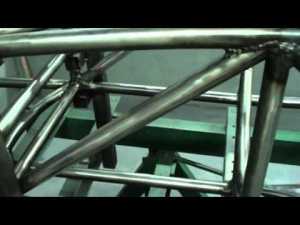
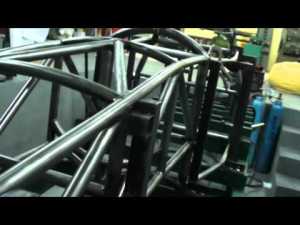
Both top frame tubes bent to shape and matched to each other, in place on the chassis jigs. Now it's possible to get a feel for the size and shape of the car. It's really going to be beautiful!

Really Light

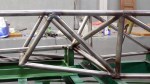
The main frame rail, running from the front to the back of the car, is so light I can lift it with a single finger.

Vroom, Vroom

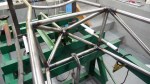
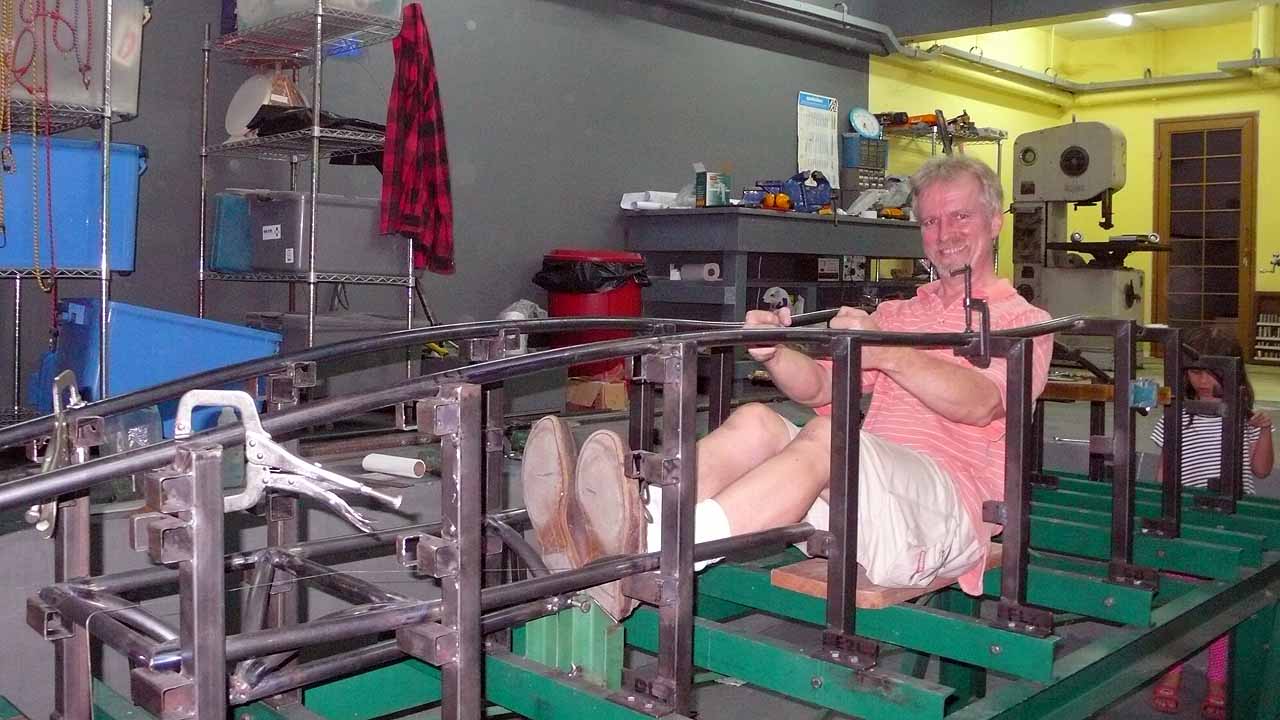
Sitting inside the chassis for the first time. Time to make vroom vroom noises.


Building the Chassis Jigs

Scrap Jigs

First "professional" jigs

Because this looked like a lot of busy work, my first thought was to have the chassis jigs built by a local machine shop. So I bought the metal and had it sent directly to the machine shop and went over the drawings with them. They kept asking me how big various things were, when the dimensions were clearly right there on the drawing. Then it became clear they didn’t know how to deal with dimensions in meters. They asked me how to convert a dimension from meters to centimeters. “You mean like move the decimal point two places to the right?”, I’m thinking… This was not looking promising. Eventually I went home and tried to come up with a set of orthographic-projection drawings, with hidden lines removed, that they couldn’t possibly misinterpret. I soon gave up. When I went to pick up the first two jigs the next day, the list of errors was long and creative. Mounting footprint on one reversed, vertical tube holders cut too shallow and not in line, overall height incorrect, horizontal alignment out of spec, etc., etc.

Sigh. I called a local aerospace-engineer type that I know and asked him if he knew a good machinist, and he directed me to a local guy who I visited the next day. We met a couple of times and he is indeed capable of handling the project; in fact, I decided it’s really below his capabilities and ended up building the jigs myself, saving him for building actual car parts.

Cut Pieces

Lots of cut pieces waiting for welding, drilling, & milling

I needed a good, strong right angle to hold the pieces in place while welding. The bandsaw table served perfectly.

Welding Jig

Welding the angles onto the uprights. Chassis table is very useful here.

Drilling Crossmembers

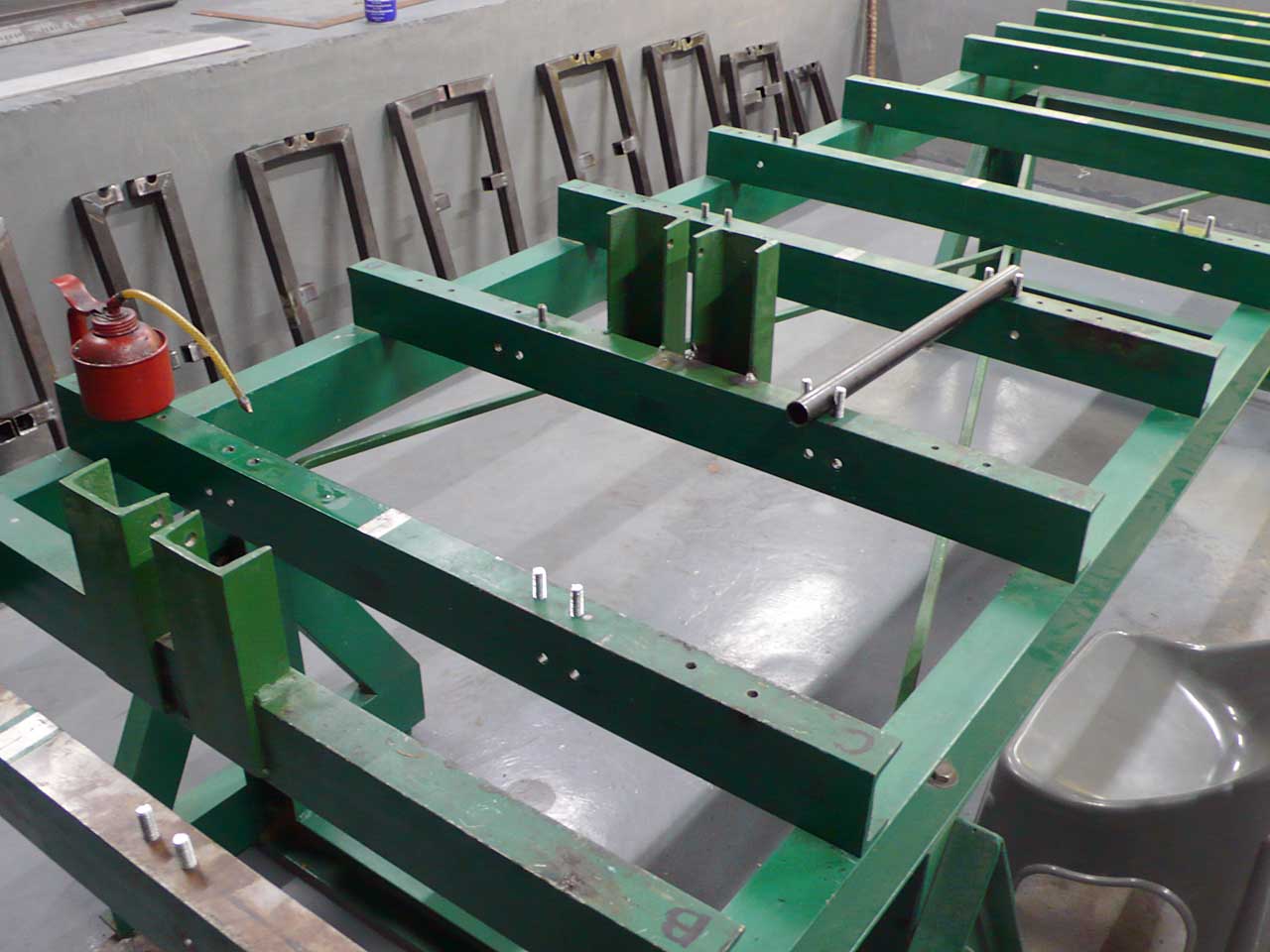
Drilling the chassis table crossmembers on the milling machine.

Trial Fit

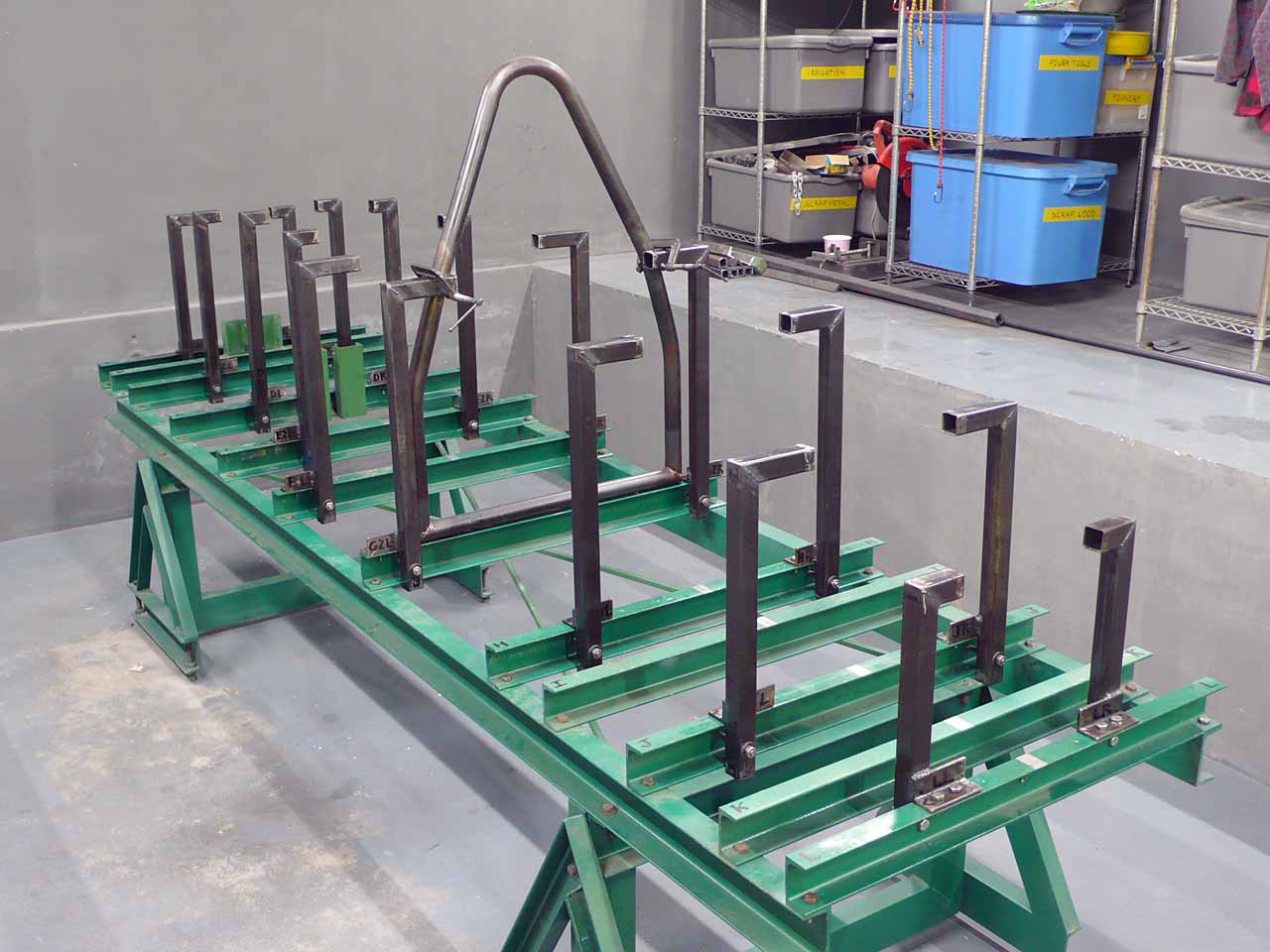
First trial fitting of the chassis jigs onto the chassis table. Top rail guides not yet cut; other tube guides not yet in place.

Welding Verticals

Welding tube guides for vertical tubes. Sample tube keeps things in alignment, along with very careful tack welding.

Jig Set

Almost-finished complete set of chassis jigs

Subframe Pins

Chassis table crossmembers were drilled for pins to hold front subframe during welding.

Stretched Bolt

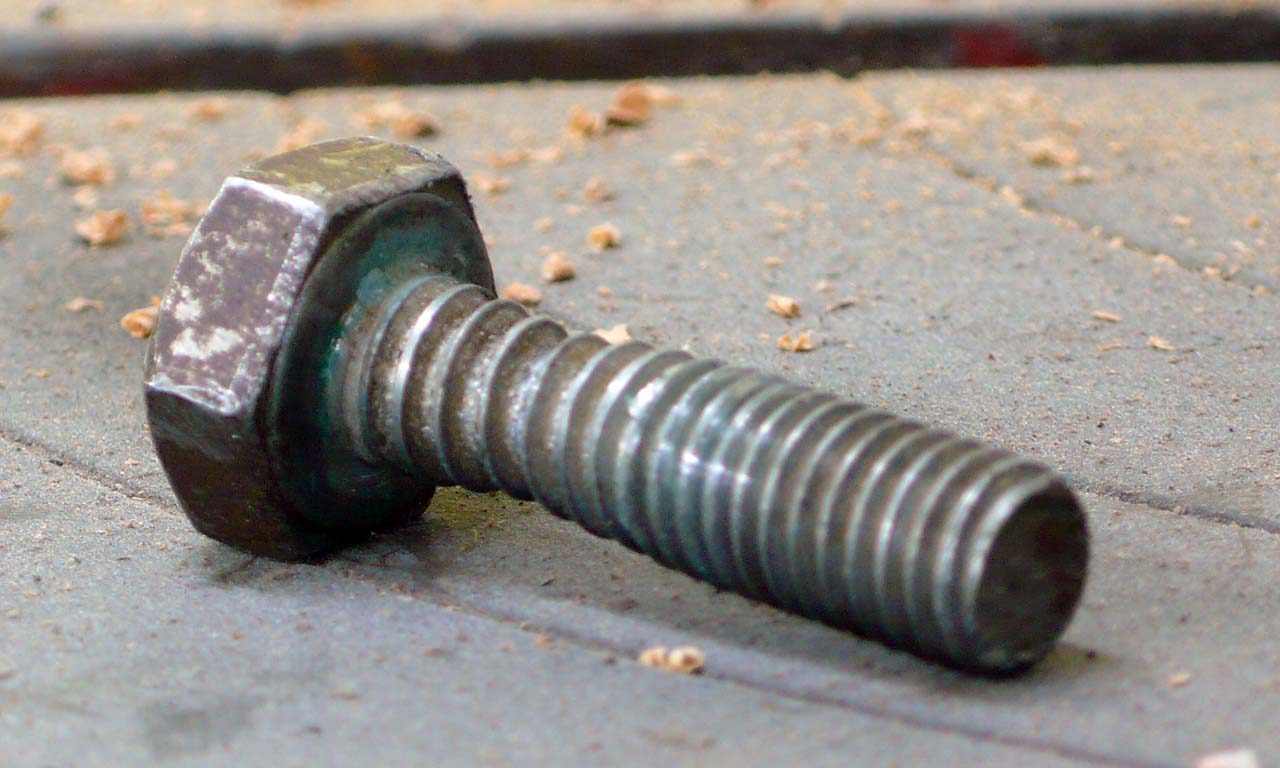
3/8" bolts should be tight. But not this tight.